Holiday Hosting Without the Fryer Panic: A New Jersey Takeout Strategy
Somewhere between the second tray of cookies and the fourth text asking what time dinner actually starts, most New Jersey hosts land on the same quiet conclusion: the holiday table doesn't have to be built entirely from scratch. Between Thanksgiving on November 26 and the ball dropping on New Year's Eve, the calendar gets crowded, the guest list gets complicated, and the oven develops a backlog.
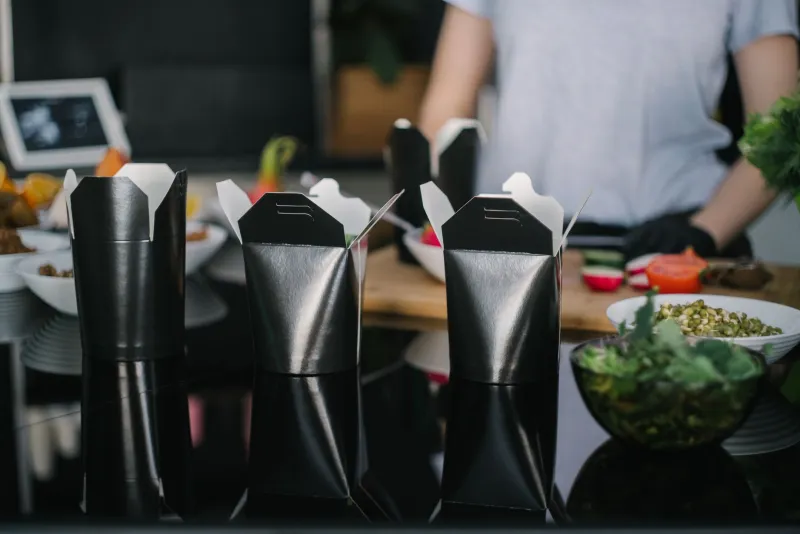
That's the moment takeout stops being a compromise and starts being a strategy. The hard part isn't deciding to order — it's ordering well. A well-chosen bag of food arrives crisp, hot, and properly portioned and carries an entire gathering. A poorly chosen one shows up limp and steaming in its own condensation and quietly sinks the whole spread. Here's how to stay on the right side of that line all season.
Start With a Calendar, Not a Menu
The most common holiday takeout mistake happens a week before the food is even cooked: people order too late. The heaviest demand of the year lands on a handful of nights — the Wednesday before Thanksgiving, the Saturday after, Christmas Eve, and December 31. If your gathering falls on one of those, treat the order like a reservation and place it well in advance rather than hoping the phone line stays quiet.
For smaller dinners on ordinary weeknights in December, day-of ordering is usually fine. Aim for the mid-afternoon lull rather than the 5:30 p.m. rush, and pick a pickup window that gets food to your door before guests start hovering. A 4:45 p.m. pickup beats a 6:15 p.m. one every single time, because it gives you a buffer for reheating, plating, and the inevitable late arrival.
Which Dishes Actually Survive the Ride
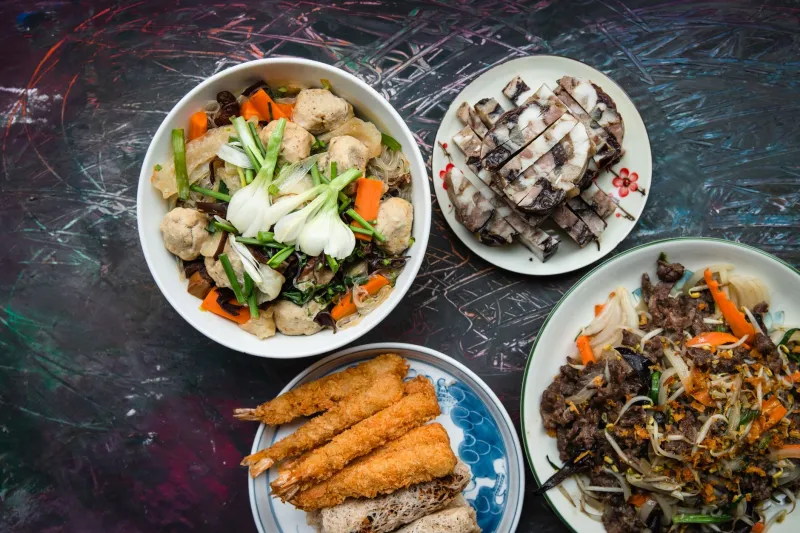
Not every dish is a good traveler, and pretending otherwise is how people end up disappointed. Braises and stews are the safest bet on the menu — they're built to sit, and many of them genuinely improve after twenty minutes in a container. Noodle dishes and fried rice hold up reliably, especially if you plan to refresh them in a hot pan for a minute. Dumplings are sturdy and forgiving, whether steamed or pan-seared.
Crispy fried items are the divas of the takeout bag. They can absolutely make the trip, but only if you treat them right: leave the lid cracked instead of sealed tight, don't stack heavy containers on top of them, and don't let them sit in a closed bag in a warm car. Stir-fried greens and anything with a light sauce are best eaten soon after they land. Sauce-heavy dishes with a lot of liquid are better kept separate from anything crunchy.
The Reheating Rules That Save Fried Food
Here's the short version: the microwave is the enemy of anything meant to be crisp. A few seconds too long and a crackly piece of fried chicken or a spring roll turns soft and steamed. Use the oven instead — a sheet pan at 375°F to 400°F for five to eight minutes restores most of the texture, and an air fryer at around 350°F does the job in three or four minutes. Work in batches so you're always serving something freshly revived rather than one giant platter that cooled while you waited.
The microwave still has a role. It's perfectly good for rice, braises, and noodle dishes, especially if you add a splash of water and cover the container loosely so things steam back to life instead of drying out. Keep sauces on the side until serving whenever possible. And here's a small hosting trick: reheat in waves as guests arrive, not all at once at the start. Nobody notices a staggered kitchen. Everybody notices cold food.
Feeding a Table With Conflicting Diets
Holiday guest lists are where dietary needs multiply. There's the cousin who doesn't eat meat, the friend avoiding gluten, the kid who considers black pepper spicy, and someone with a shellfish allergy nobody remembered to mention. Takeout can handle all of that — it just requires a little labeling.
Build an anchor layer first: plain rice, plain noodles, and a couple of vegetable-forward dishes that work for almost everyone. Then add a heat-forward option and a mild one so spice level is a choice rather than a surprise. Ask for sauces on the side so people can control what goes on their plate. When the containers arrive, break out a marker and label the lids. It takes ninety seconds and prevents the entire evening's worth of "wait, is this the spicy one?"
Building the Spread Itself
A crowd-pleasing spread isn't about volume; it's about contrast. Aim for roughly one and a half to two dishes per person for a full meal, with extra if you want leftovers (you want leftovers). Then check that you've covered the textures: something crisp, something braised and soft, something fresh and crunchy, a noodle or rice anchor, and at least one dish with real heat.
It also helps to plan for grazing. Holiday gatherings rarely sit down at a single moment, so a couple of smaller, shareable items that people can pick at between conversations do more work than a third entrée nobody has room for. Think of the order as a shape rather than a list.
The Ten-Minute Rule
Once the food is in the car, the clock matters. Fried items are at their best within about twenty minutes of leaving the kitchen, so plan the drive, recruit someone to hold the bag level, and don't run an errand on the way home. Keep containers from stacking tightly on the crispy stuff, and if the night is cold, a cooler with no ice actually helps hold warmth.
Then relax. The point of ordering in during the holidays isn't to skip the hosting — it's to spend the evening at the table instead of at the stove. That's a trade worth making, especially in a season that's already asking a lot of you.