When the Radar Looks Angry: A Rainy-Night Ordering Guide for Beijing Kitchen NJ
There's a specific kind of Jersey evening in November: the sky goes flat gray around 4:30, the radar on your phone turns a discouraging shade of green, and every windshield on Route 1 has that smeared half-wiped look. It's not a storm, exactly. It's just wet enough to make you cancel your plans and start thinking about dinner at 5 p.m.
That's the night this guide is for. Not the blizzard, not the heat wave — the first cold rain, when you want something hot, savory, and sturdy enough to make it home still tasting like itself.
Why rain changes the takeout math
A ten-minute drive in dry weather is a neutral event. A ten-minute drive in a drizzle, with the defroster running and the bag sliding around the passenger seat, is an active ingredient. Steam builds up inside the container. Fried coatings soften. Sauces that were glossy in the wok start to separate. Noodles drink whatever liquid is available and turn from springy to slack.
None of that is a knock on the food. It's just physics, and it's the same physics every restaurant in New Jersey deals with on a wet Tuesday. The trick is ordering with the container and the car ride in mind, not just the menu photo.
The survival tiers
Think of Beijing Kitchen's regional menu in three rough groups.
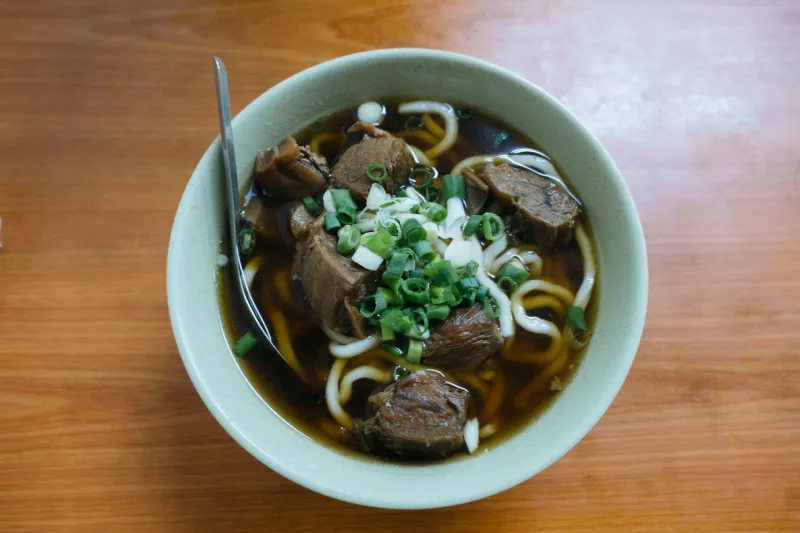
Tier one — gets better on the way home. Braises, stews, anything cooked low and long. These dishes are already past the point where a little extra time in a warm container hurts them; the flavors keep knitting together. Same goes for dumplings, which hold their shape and reheat beautifully, and for generous noodle soups as long as you keep the broth in its own container. Root vegetables and cabbage dishes also come through the trip with their texture intact.
Tier two — fine, if you handle them right. Dry pot, most stir-fries built on sturdy vegetables, fried rice, and anything with a sauce that's meant to be a little loose. Order these and you should plan on a quick reheat in a skillet rather than the microwave, which is the difference between a revived dinner and a rubbery one.
Tier three — save it for a dry night. Anything whose whole appeal is crunch. Crispy-skinned preparations, delicate fried appetizers, and thin-batter items all lose their reason for existing in a sealed container. They're not bad on a rainy night; they're just not the point. Order them when the forecast is clear and the drive is short.
A rainy-night order that holds together
Here's a build that's become the default on wet evenings in our house, and it's a good starting point to adjust from.
Start with a noodle soup, and ask for the broth packed separately. This is the single highest-value request you can make on a rainy night. You get the same bowl, but the noodles arrive distinct instead of bloated, and you control the moment they meet the liquid.
Add dumplings. They're the most forgiving thing on the menu — they travel well, reheat in a steamer or a hot pan with a splash of water, and they fill out a meal without asking you to commit to a second full entrée. A pork-and-chive order plus a vegetable order covers most tables.
Choose one braise for depth. Something dark, spoonable, and happy to sit. This is the dish that makes the meal feel like a night in rather than a bag on the counter.
Finish with a vegetable that isn't trying to be crisp. Garlicky greens, cabbage, eggplant, green beans cooked past the snap — all of them come home fine and give the container lineup some balance.
That's four items for two or three people, and it's a better rainy-night spread than six dishes chosen for variety alone.
Pickup notes worth the thirty seconds
Ask for sauces and broth on the side whenever the kitchen offers it. It costs nothing and solves most of the problems described above.
Don't fully seal the lids on fried or dry-pot items for the ride. Trapped steam is what turns texture to mush; a slightly vented lid lets it escape.
Keep the bag flat and on the floor of the car rather than the seat, where it will slide every time you brake. If you're driving more than fifteen minutes, bring a towel or a cheap insulated bag — the difference between food that arrives hot and food that arrives warm is mostly a layer of cheap foil.
And check the clock before you order. On a wet evening, everyone in a five-mile radius decides simultaneously that they're not cooking. Calling ahead by twenty minutes puts you ahead of the wave instead of in it.
Reheating without wrecking it
A skillet over medium heat, a tablespoon of water, and a lid for two minutes will bring most stir-fries and dry pots back to something close to their original state. Noodle soups just need the broth brought to a bare simmer and poured over. Dumplings are best steamed or pan-fried; the microwave works in a pinch, but only in short bursts.
What you shouldn't do is dump everything into one big bowl and microwave it for four minutes. That's how you get the texture equivalent of the weather outside.
The bottom line
A cold rain doesn't have to mean a disappointing dinner. It just means ordering for the drive as much as for the plate — leaning into braises, dumplings, and separately packed broth, and letting the crispy stuff wait for a clearer night. Order that way and the worst part of the evening stays outside, where it belongs.