Buffet-Proof: A Beijing Kitchen NJ Potluck Plan for Jersey Block Parties

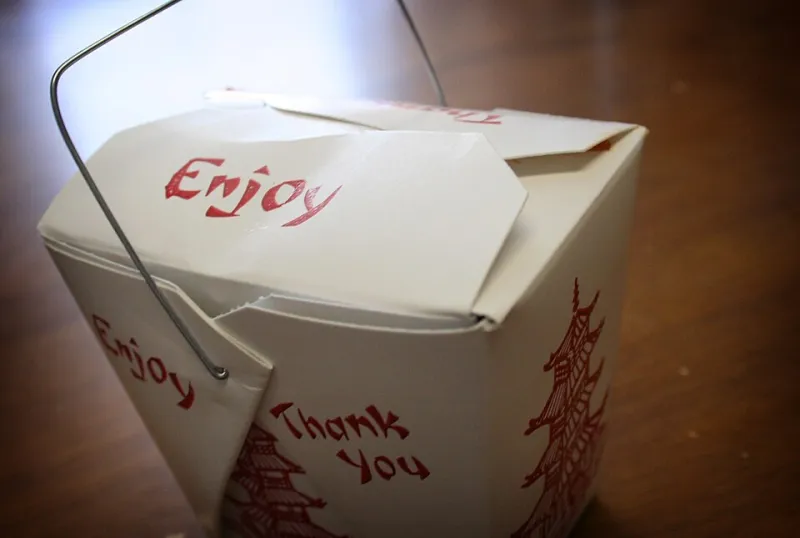
Photo: Joe Ross from Lansing, Michigan, CC BY-SA 2.0, via Wikimedia Commons
A potluck is not a dinner party with more chairs. It is a relay. You are not setting a table; you are handing a dish into a stream of paper plates, plastic forks, and neighbors who already ate a little something before they arrived. The food has to survive the ride, the wait, and the graze.
That changes how you order from Beijing Kitchen NJ. The goal is not to recreate a full dinner in a foil pan. The goal is to bring one contribution that still looks and tastes like a deliberate dish when it hits the table—and still does twenty minutes later, when someone in a folding chair decides to go back for a second spoonful.
Order the dish, not the dinner
The most common potluck mistake is ordering like you are feeding your own family. A normal takeout spread is built around separate courses that meet on a plate at home. On a buffet, those courses compete with six other people's chili, macaroni salad, and sheet cake.
Pick a lane. For most block parties, one generous anchor dish and one contrasting side is enough. The anchor should be something spoonable and forgiving: a braise, a dry pot, a tray of fried rice, or a sturdy noodle dish with the sauce packed separately. The contrast should be crisp, cold, or bright—something that gives the table a break from heavier food.
If you are feeding a smaller crowd of fifteen to twenty grazers, one large braise plus one cold dish is a sensible contribution. For a bigger block party where the table is crowded, two larger containers—one hot anchor and one crisp or cold item—will hold their own without turning into a mountain of leftovers. Ask Beijing Kitchen NJ what size the party trays run when you call; portions vary by dish, and the person taking the order knows the menu better than any general rule.
The short list that survives a folding table
Braises are the backbone of a potluck order. They hold heat, improve slightly as they sit, and do not require last-minute frying. A slow-cooked meat or tofu dish with plenty of sauce gives people something to spoon over rice, which is exactly what a buffet plate needs.
Dry pot is another strong choice, provided you keep it vented. The vegetables and protein stay distinct, and the spice level reads clearly on a table where nobody wants a surprise. Fried rice is the quiet workhorse: it fills gaps, pleases kids, and does not demand a serving utensil more complicated than a spoon.
Cold dishes are the underrated potluck move. A crunchy cucumber salad, a wood-ear mushroom dish, or a vinegared vegetable plate gives the buffet a clean edge. Pack any dressing or chili oil on the side so the texture does not collapse in transit.
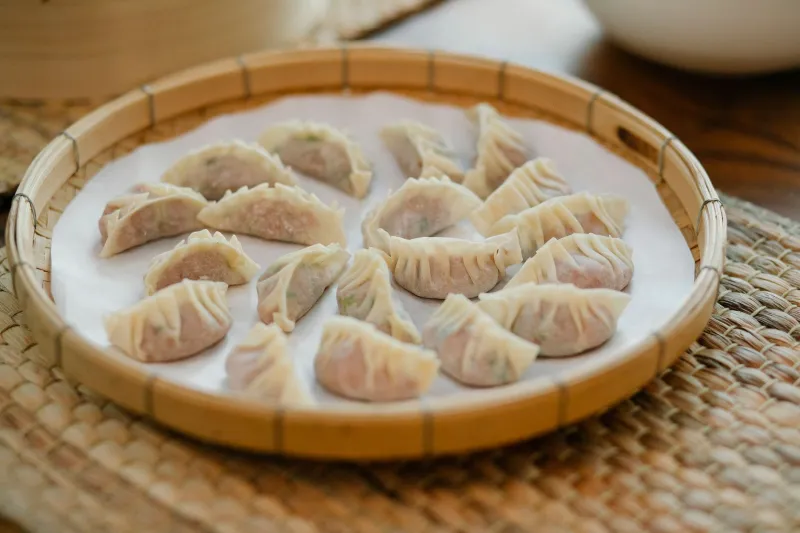
Dumplings can work, but they are a deadline food. Sealed in a hot container, they steam themselves into a soft cluster. Keep the lid cracked on the ride, or ask for them in a tray that can breathe. Sauce goes in a separate container, always.
What should you skip? Anything that depends on a hard crisp. Fried items, delicate fritters, and anything with a brittle shell are at their best in the first five minutes. If you cannot resist, pack them in a paper bag or a vented container and accept that they are a snack for the early arrivals, not a buffet centerpiece.
Pack for the table, not the car
The container is part of the dish. A braise sloshing in a deep takeout box is harder to serve than the same braise in a wide foil pan with a stable bottom. If you have a shallow baking pan or a sturdy catering tray, transfer the food when you arrive—or ask Beijing Kitchen NJ to pack it in the most table-friendly container they have.
Keep crisp and saucy separate. This is not fussiness; it is the difference between a cold dish with snap and a cold dish sitting in a puddle. The same goes for noodles. A noodle dish packed with sauce already mixed can turn into one texture by the time it reaches the table. Ask for the sauce on the side and toss it just before serving, or let people dress their own portion.
Bring more serving utensils than you think you need. Two spoons per dish is not excessive on a buffet; it keeps the line moving and prevents someone from using the same spoon for a spicy dish and a mild one. A pair of tongs for anything whole or slippery is worth the extra bag space.
Labels matter more than they seem. A strip of masking tape and a marker can say more than a dozen conversations: dish name, heat level, and any major allergens such as peanuts, sesame, soy, shellfish, or gluten. If the chili oil is on the side, say so. If the dish is mild, say that too. Neighbors appreciate knowing before they commit.
Heat that works for a crowd
A block party is not the place to prove a point about spice. Order mild or medium as the default, and ask for chili oil or extra sauce on the side. That way the heat is a choice rather than a surprise. If you are bringing two dishes, make one clearly mild and one with a little more edge, and label both.
Beijing Kitchen NJ can usually pack sauces separately when you ask. Say it plainly when you order: sauce on the side, chili oil in its own container, dumpling sauce separate. It is a small request that makes a big difference on a table where people are balancing plates on their knees.
The twenty-minute table reset
When you arrive, do not leave the food in the takeout bag. Unpack it. Wipe the rim of each container. Vent anything crisp. Give the braise a stir so the sauce and solids are not separated. Set the sauce containers next to the dish they belong to, not at the far end of the table where they become orphans.
Keep cold dishes in a cooler until the table is ready, and keep hot food in an insulated bag until you are actually serving. A cool Jersey evening helps, but it does not make a potluck table immune to time. Once the food is out, plan on a two-hour window and use your judgment as the evening goes on.
A small sign helps: Beijing Kitchen NJ, braised beef, mild, chili oil on the side. It sounds like a catering detail, but it gives the dish a little identity on a table full of anonymous casseroles. It also saves you from repeating the same explanation every time someone lifts a lid.
The contribution that gets invited back
The best potluck dish is not the most elaborate one. It is the one that is still good when the line has slowed down, the paper plates are getting soft, and someone is scraping the bottom of the pan. Order a braise that holds, a cold dish that stays crisp, and a sauce that travels on its own. Bring utensils, labels, and a little patience for the table.
That is the real handoff: not just getting the food from the car to the folding table, but getting it to the end of the evening still looking like something you meant to bring. Beijing Kitchen NJ does the cooking. The rest is a little packing, a little labeling, and knowing when to open the lid.