A Jersey Snow-Day Kit: How to Freeze and Revive Beijing Kitchen Dumplings
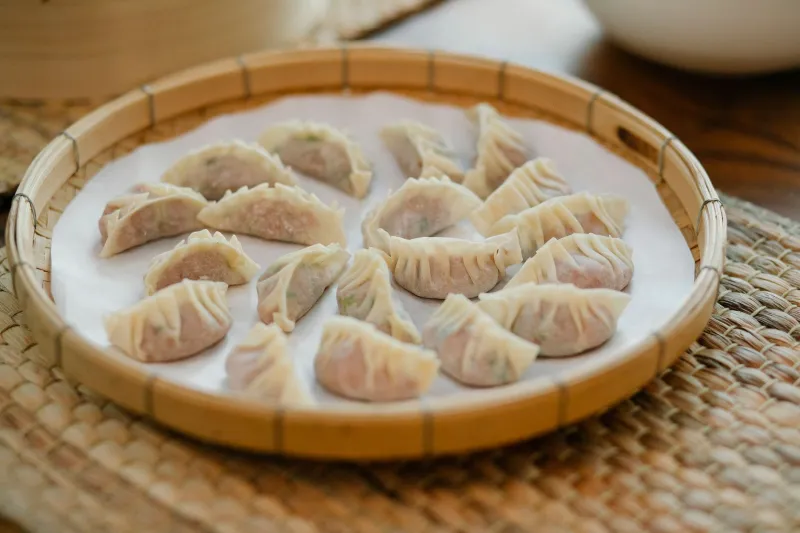
Snow days in New Jersey have a rhythm. The forecast gets dramatic, the grocery store runs out of milk, school delays roll in, and by dinner everyone wants something warm without a lot of fuss. Dumplings fit that moment better than almost anything else. They are compact, forgiving, and—most importantly—freezer-friendly. At Beijing Kitchen NJ, the smart move is not a panic order. It is a small, deliberate one: add an extra tray of dumplings to your takeout night and treat the freezer as part of the plan.
Start with a sensible extra order
Think beyond tonight’s dinner. If you are already picking up Beijing Kitchen takeout, add one or two extra orders of dumplings specifically for the freezer. Pork and chive, chicken, and vegetable dumplings tend to handle freezing well. If the menu offers a choice between steamed and pan-fried, either works, though pan-fried dumplings will already have a little oil and color on them. Ask for dipping sauce on the side so the wrappers do not get soggy on the ride home.
The trip home matters, too. On a cold Jersey night, your car is basically a mobile cooler, which is helpful. Still, do not leave the dumplings sitting next to a hot container of noodles for an hour. When you get home, separate what you are eating now from what you are saving. The freezer batch should go in while it is still fresh, not after it has sat on the counter through homework and bath time.
Freeze them like you mean it
The enemy of frozen dumplings is a clump. If you toss a whole order into a freezer bag while they are still warm and soft, you will end up with a dumpling brick. Instead, line a sheet pan or a large plate with parchment paper. Set the dumplings in a single layer with a little space between them. Freeze for one to two hours, until they are firm, then transfer them to a freezer bag. Press out as much air as you can, label the bag with the type and date, and put it back in the freezer.
Use frozen dumplings within two to three months for the best texture. If your Beijing Kitchen order arrives already cooked, you can still freeze them the same way. Just expect the wrapper to soften a bit more on reheating. Do not thaw before cooking. Going straight from freezer to pan or steamer is the simplest way to keep the filling juicy and the wrapper from turning gummy.
The dipping-sauce formula
A good dumpling sauce does not need a recipe card. Use this as a starting point and adjust by taste: three tablespoons soy sauce, one tablespoon black vinegar, one teaspoon chili oil, one small clove of garlic minced fine, a half teaspoon of sesame oil, and a handful of sliced scallion. Stir it together in a small bowl. If it tastes too sharp, add a pinch of sugar. If it tastes too salty, add a splash of water. If you want more heat, add another spoonful of chili oil.
Make a double batch and keep it in a jar in the fridge for up to three days. It is also good on noodles, rice, and steamed vegetables, which makes it a useful thing to have around when the weather keeps everyone indoors.
Pan-fry versus steam
Both methods work from frozen, but they give you different results.
Pan-frying is the move when you want crisp edges and a little chew. Heat a nonstick skillet over medium heat with a thin layer of oil. Add the frozen dumplings flat-side down and cook for about two minutes, without moving them. Carefully pour in about a quarter cup of water and cover immediately. Let them steam for five to six minutes, then uncover and let the water cook off. Keep going until the bottoms are deeply golden and crisp. Move them to a plate and serve right away.
Steaming is better when you want a softer, more tender wrapper. Line a steamer basket with parchment or cabbage leaves, arrange the frozen dumplings without touching, and steam over boiling water for eight to ten minutes. Let them rest for a minute before serving. Steaming is gentle and reliable, but it will not give you the crackly bottom that makes pan-fried dumplings so satisfying.
Avoid the microwave if you can. It heats unevenly and turns the wrapper rubbery.
A neighborhood takeout-night plan
On a snowy evening, order early. Before the first flake lands, check the forecast and place your Beijing Kitchen order for pickup or delivery. Add the extra dumplings then, not after dinner when everyone is already full. Set out the dipping sauce and a simple side—maybe cucumber salad, quick-pickled cabbage, or just sliced scallions—while the pan heats. Cook the dumplings in batches so they stay crisp. If people eat in shifts because of shoveling, sledding, or a delayed commute, keep the finished dumplings warm in a low oven and pan-fry the next batch when someone is ready.
The point is not a dinner party. It is a warm plate, a crisp edge, and one less decision on a night when the weather is making all the decisions for you. A bag of dumplings in the freezer is a small piece of neighborhood insurance—and in New Jersey in winter, that is worth having.