The Third Container Matters: A Vegetable-First Takeout Strategy
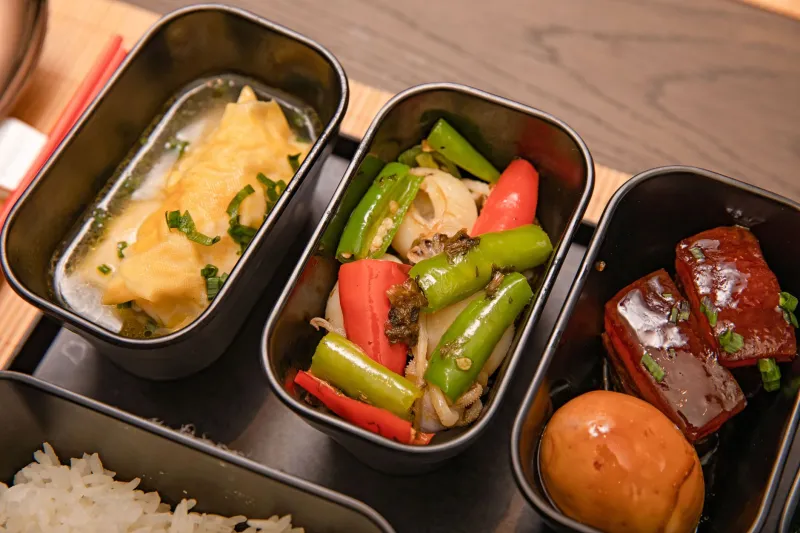
Most Chinese takeout orders fall into a predictable pattern: one big rich dish, one carb, and maybe an egg roll because it was on the combo list. The third dish—the vegetable—often gets skipped. That is a mistake. At Beijing Kitchen NJ, the best orders are not the ones with the most food. They are the ones with a little contrast: something braised or crispy or spicy, something starchy, and one bright, garlicky vegetable that makes the whole meal feel lighter and more interesting.
This is not a lecture about eating your greens. It is a practical argument about flavor. Northern Chinese cooking can be hearty and deeply savory. Red-braised pork, cumin lamb, noodles with rich sauce, dumplings with juicy filling—these are the dishes people crave on a cold New Jersey evening. But when every container is soft, salty, and heavy, dinner starts to feel like one long note. A crisp vegetable gives you a reset. It adds texture, a little acid or heat, and a reason to keep eating.
Why the third dish works
Takeout vegetables have a bad reputation because too many of them arrive limp and swimming in sauce. But the right vegetable holds up well in a container. Dry-fried green beans, garlic Chinese broccoli, and spicy cabbage can survive a fifteen-minute ride better than a pile of fried rice. They also reheat well in a hot skillet the next day, which is more than you can say for anything fried.
The third dish also changes the pace of the meal. You take a bite of rich pork, then a bite of snappy green bean, then a bite of rice. The vegetable does not have to be the star. It is the supporting actor that keeps the lead from chewing the scenery.
What makes a good third dish
Look for three things: high heat, garlic, and restraint. The best takeout vegetables are cooked fast so they keep some bite. They should taste of garlic and maybe chili, not just soy sauce. And they should not be drowning in a thick gravy that turns everything to mush on the way home.
At Beijing Kitchen NJ, a reliable third dish is anything in the dry-fried or garlic-heavy column. Green beans with blistered skins and a little chili are ideal. Chinese broccoli with garlic is simple and sturdy. Bok choy works if you want something softer and greener. Smashed cucumber salad is a great choice when you want crunch and acid without any cooking at all. Spicy cabbage is the move when you want something with a little funk and heat. Skip anything described as creamy or gravy-heavy. That is not what you need next to a rich noodle dish.
Pairings that do not fight
A good pairing is about contrast, not competition. Here are a few combinations that work well on a Beijing Kitchen NJ takeout ticket:
- Red-braised pork, hand-pulled noodles, and dry-fried green beans. The pork is soft and sweet, the noodles are chewy, and the beans bring blistered skin and garlic.
- Cumin lamb, scallion pancake, and garlic Chinese broccoli. The lamb is warm and spiced, the pancake is flaky, and the broccoli is clean and green.
- Crispy beef, fried rice, and smashed cucumber salad. The beef is crunchy and savory, the rice is comforting, and the cucumber is cool and sharp.
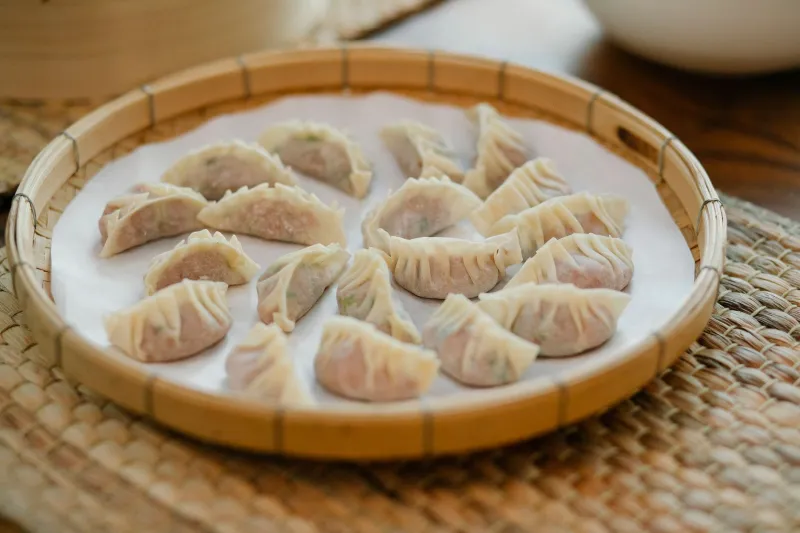
- Dumplings, noodles, and spicy cabbage. This is the cold-night order: juicy dumplings, slurpable noodles, and a tangy cabbage that cuts through both.
Notice that the vegetable is not an afterthought in any of these. It is doing a job. It is the reason the meal does not feel like a pile of brown food.
The weeknight ordering script
You do not need a speech. You need a simple formula: one rich anchor, one carb, one vegetable. For two people, that is three containers. For four people, double the vegetable before you double the meat. That last part is the key. Most people order too much rich food and not enough contrast.
Here is how it sounds on the phone or in the app: “I’ll take the braised pork, one order of hand-pulled noodles, and the dry-fried green beans. Extra garlic if possible, and sauce on the side for the pork.” If you are feeding kids, ask for the chili on the side. If you want leftovers, add an extra vegetable instead of an extra fried rice. It reheats better, and it gives you a lighter lunch the next day.
That is the whole strategy. The third dish is not garnish. It is the thing that makes a takeout dinner feel like a dinner instead of a binge. Next time you order from Beijing Kitchen NJ, do not close the menu after the noodles and the pork. Scroll a little further. Find the garlic. Find the crunch. Make room for the third container.