Jianbing, Cumin, and Dry Pot: The Words That Make Beijing Kitchen NJ Takeout Click
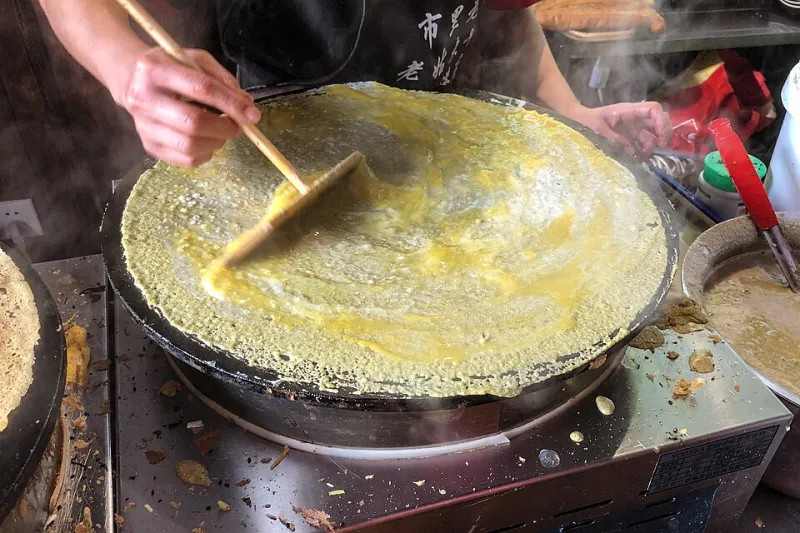
Photo: N509FZ, CC BY-SA 4.0, via Wikimedia Commons
The Label Does Too Much Work
When we say “Chinese takeout,” we usually mean convenience: a bag on the counter, a few containers, a fork. Fair enough. But the phrase also does something less helpful. It flattens a menu that is full of regional signposts into one broad category, as if Sichuan pepper, wheat noodles, leavened bread, and wok-seared cauliflower all belong to the same culinary zip code.
At Beijing Kitchen NJ, that flattening is easy to spot. A customer calls for “the chicken” or “the spicy noodles” and then hopes for the best. The kitchen can make that work, but the order often misses the dish the caller actually wanted. The better move is smaller and more specific: learn three or four names.
This is not a purity test. It is a takeout strategy. Regional names are not insider jargon; they are handles. They let you ask for the thing you like, avoid the thing you don’t, and build a repeat order with fewer surprises.
What “Chinese Takeout” Hides
The generic label hides geography, and geography is often flavor. Cumin lamb points toward the northwest: toasted spice, lamb fat, a savory edge that is more about dry heat than sweet-and-sour gloss. Jianbing suggests a street-food breakfast with a thin crepe, egg, crunch, and sauce—a different pleasure from a plate of lo mein. Dry-pot cauliflower signals a wok technique and a texture: the vegetable should be blistered and a little firm, not steamed into softness.
None of this demands a seminar. It demands a menu that says what it means. When a restaurant uses specific names, it gives customers permission to order by preference rather than by vague category. “I want the cumin lamb” is a clearer request than “I want something spicy.” “Is the dry pot crisp or saucy?” is a better question than “Is it good?”
For a neighborhood spot in New Jersey, that clarity matters. Takeout is a short conversation, often by phone or app, and the food has to survive a car ride. Specific names help everyone: the caller, the kitchen, and the person who opens the containers at home.
A Menu Built on Specifics
Beijing Kitchen NJ’s regional menu is a case study in why naming works. The dishes are not arranged as a single blur of “Chinese food.” They lean on wheat, chili, vinegar, cumin, and wok heat in different proportions. Some are brothy; some are dry; some are built for rice and some are a meal on their own.
That variety is the point. If you order by texture and heat, you can make a better table. If you order by generic label, you tend to default to the same two or three items. The menu rewards a little vocabulary. Not because the vocabulary is fancy, but because it is useful. It tells you whether you are getting a soup, a stir-fry, a sandwich-like street food, or a dry pot that will keep bubbling in its container on the way home.
Why Specific Names Make Ordering Easier
Specific names reduce decision fatigue. They also reduce the risk of disappointment. If you know that cumin lamb is earthy and savory rather than sweet, you can decide whether that fits your night. If you know jianbing is a crepe with crunch, you can order it for the right meal—maybe a weekend lunch, not a saucy dinner.
They also make customizing more precise. Asking for extra chili on a dry-pot dish is different from asking for extra chili in a broth. Asking for sauce on the side works differently for noodles than for a stir-fry. The more specific the dish, the more specific the request.
And there is a neighborhood benefit. A local restaurant becomes more familiar when customers know its dishes by name. The menu stops being a list of categories and becomes a conversation. That is how a takeout spot turns into a regular habit.
A Short Glossary for the Next Call
Jianbing
A Chinese street-food crepe, often folded around egg, crisp elements, and sauce. Think of it as a savory breakfast wrap with crunch. If you like texture and a little sauce, start here. Ask whether it travels better sliced in half or left whole.
Cumin Lamb
A northwestern-style dish built on toasted cumin, lamb, and dry heat. It should smell warm and savory, not sugary. Good with rice or flatbread; order a vegetable alongside if you want balance.
Dry-Pot Cauliflower
A wok dish that should arrive blistered and firm, with chili and aromatics clinging to the florets. It is not a steamed side. Ask for it extra crispy if you are eating it quickly, or plan to revive it in a hot skillet at home.
The Point Is Not Vocabulary for Its Own Sake
You do not need to pronounce everything perfectly. You do not need to know every region. You just need a few words that point to the food you actually want. “Chinese takeout” can stay as shorthand for the pleasure of a bag on the counter. But when you order, use the name. It makes the dinner more specific—and usually more satisfying.