Order by Texture, Heat, and Heft: A New Jersey Guide to Beijing Kitchen’s Regional Menu

Photo by Photo by Frank Zhang on Unsplash on Unsplash
Most takeout menus get read the same way: scan for the old reliables, pick a protein, add rice, close the tab. That works until it doesn't. At Beijing Kitchen NJ, the menu is less a list of isolated dishes and more a set of regional signposts. Read those signposts and you can order a dinner with contrast, rhythm, and a better shot at leftovers you actually want to eat.
Start With the Question, Not the Dish
Before you pick a dish, ask what job it needs to do. Is it the crunchy thing? The saucy centerpiece? The vegetable that keeps the whole meal from tasting like brown sauce and salt? A regional Chinese menu gives you plenty of answers, but only if you stop treating every category as interchangeable.
The useful categories are not appetizer, entree, and side. They are wheat-forward, wok-fired, vegetable-forward, and rice-or-noodle. Those categories tell you more about texture, heat, and richness than the old American takeout labels do.
Wheat-Forward Plates: Chew, Sear, and Savory Depth
Northern Chinese cooking leans on wheat in ways that many New Jersey takeout regulars do not expect. Think dumplings, scallion pancakes, noodles with chew, and buns that feel like a meal rather than a garnish. These dishes tend to deliver savory depth, a little sear, and a texture that holds up in transit.
For a neighborhood order, wheat-forward plates are the ones that make dinner feel substantial without relying on a vat of sauce. Dumplings are the obvious starting point, but do not overlook the flatter, griddled items. They bring crisp edges and a sturdier bite that pairs well with a saucy wok dish later in the meal.
One practical note: dumplings and pancakes travel better than delicate fried noodles. If your drive home includes potholes, a bridge, or a Route 1 traffic knot, let the wheat category do some of the heavy lifting.
Wok-Fired Comfort: Heat, Gloss, and Richness
The wok-fired side of the menu is where dinner gets loud. These dishes tend to arrive glossy, smoky, and rich, with heat that ranges from gentle to genuinely assertive. They are the reason takeout night feels like a treat, but they are also the reason a whole order can taste flat if every dish comes from the same register.
Treat wok-fired plates as the centerpiece, not the whole cast. Pick one. Maybe it is a saucy chicken or beef dish, maybe it is a pile of noodles with char and soy, maybe it is a spicy vegetable preparation with enough oil to carry the flavors. Then build around it with something crisp, something green, or something clean and vinegary.
If heat is a concern, ask for it on the side or choose a milder wok dish and add chili oil at home. That way the spice level is a dial, not a coin flip.
Vegetable-Forward Plates: The Reset Button
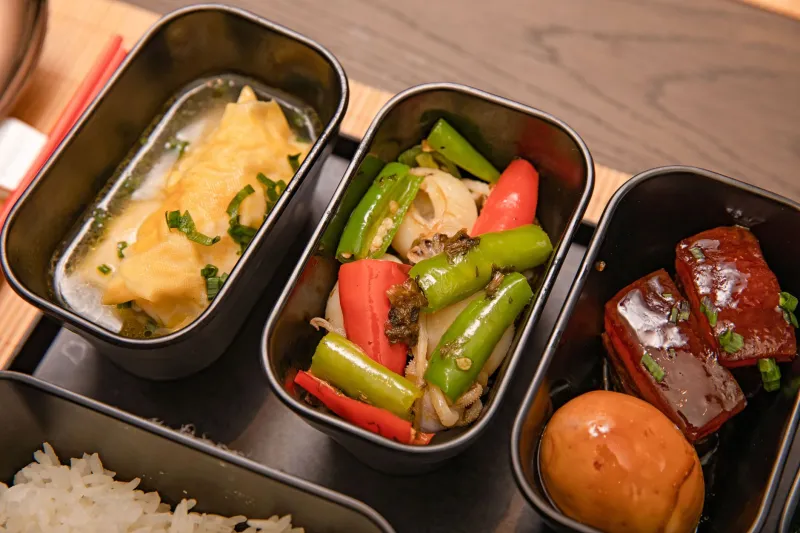
Vegetable dishes are not filler. They are the reset button between bites of rich, salty, wok-fired food. Look for dishes that keep their crunch: garlicky greens, blistered green beans, cabbage with vinegar, cucumber with sesame, or a cold vegetable salad with a sharp dressing. 这些 plates do two jobs. They add volume to the table, which matters for value, and they cut through richness, which matters for how the meal feels afterward. A takeout dinner with one crisp vegetable dish almost always eats better than the same dinner with an extra fried item.
Rice and Noodles: Choose a Foundation
Rice and noodles are not automatic. They are a decision. A plain rice gives you a neutral base for saucy dishes. Fried rice adds its own richness and should be treated as a dish, not a free side. Noodles can be the main event or the thing that soaks up the sauce.
For a balanced order, pick one foundation and let the other plates do the talking. If you choose fried rice, skip the extra fried noodles and add a vegetable. If you choose noodles, keep the second plate crisp or clean. If you choose plain rice, you have more room for a rich centerpiece and a sharp vegetable.
Two-Dish and Three-Dish Orders That Work
A two-dish order needs contrast. Try dumplings plus a wok-fired vegetable. The dumplings bring chew and savor; the vegetables bring crunch and lift. Add plain rice if you want the meal to stretch, or keep it light and let the dumplings be the starch.
A three-dish order can be more ambitious. Start with one wheat-forward plate, add one wok-fired centerpiece, and finish with a vegetable that has acid or crunch. That is a complete dinner: savory, rich, fresh, and varied. If you are feeding a household with different heat tolerances, make the wok dish mild and put chili oil on the side.
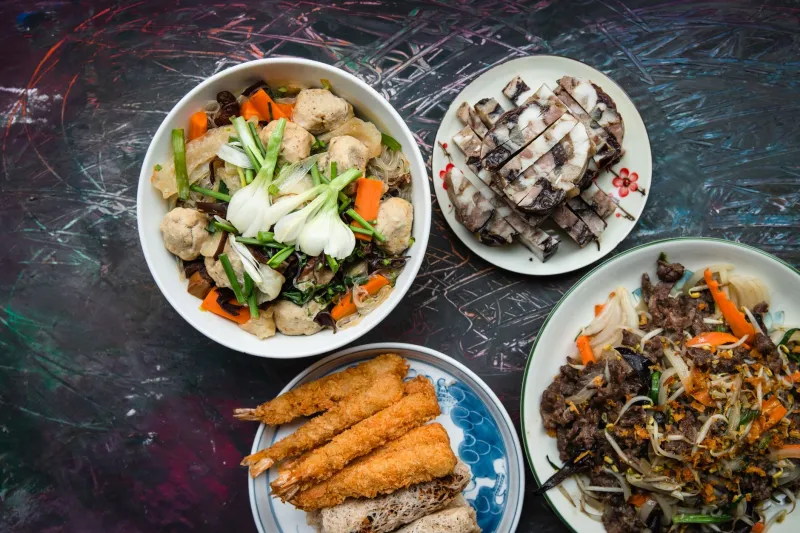
Another reliable three-dish pattern is crisp, saucy, and green. Crisp could be spring rolls or fried tofu. Saucy could be a braised or wok-fired meat dish. Green could be garlic broccoli or stir-fried cabbage. The rice sits underneath all of it, catching the sauce and giving every bite a base.
Read the Menu Like a Local
The goal is not to memorize the whole menu. It is to stop ordering by habit. Before you call or click, ask three questions: Where is the crunch? Where is the sauce? Where is the vegetable? If the answers are spread across different categories, you are probably building a better dinner.
Beijing Kitchen NJ is a neighborhood takeout spot, not a tasting-menu destination. That is the point. The menu works best when you treat it like a map: wheat here, wok heat there, vegetables for the reset, rice to hold it together. Read it that way once, and your next order will taste less like a default and more like a decision.