The Busy-Night Order: Making Weeknight Beijing Kitchen Takeout Feel Deliberate

Photo by Photo by Zoshua Colah on Unsplash on Unsplash
Tuesday dinner in New Jersey rarely needs a hero. It needs a plan. The plan can be one rice dish, two contrasting plates, and a short list of rules that keep the order from turning into the same brown-sauce blur every week. This is not about being fancy. It is about making takeout night feel deliberate.
The Three-Container Habit
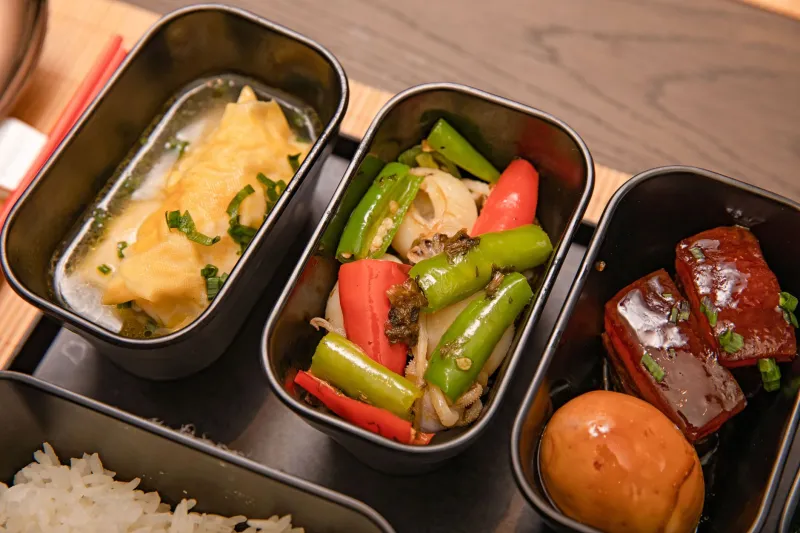
A useful weeknight order has three jobs: something starchy, something crunchy or bright, and something saucy or rich. That is it. You do not need five dishes to feed a household. You need contrast. One rice dish anchors the meal. Two plates create the variety. The format works for two people, stretches for three, and leaves better leftovers than a pile of identical fried items.
Pick the Rice First, but Pick It Strategically
Start with the rice dish, not plain rice by default. Fried rice brings its own richness and seasoning, so it can carry a meal when the other plates are simple. Plain rice is better when you are ordering a saucy centerpiece and want a neutral base. Either way, the rice is the anchor, not an afterthought.
If you choose fried rice, keep the rest of the order lighter. Add a crisp vegetable or a clean cold salad instead of another fried dish. If you choose plain rice, give yourself permission to order one richer plate and one sharp, crunchy plate. The rice will catch the sauce and keep the meal from feeling heavy.
Plate One: Bring the Crunch
Every good takeout order needs a texture break. Look for something crisp: spring rolls, fried tofu, blistered green beans, cabbage with vinegar, or a cucumber salad with sesame. The point is not to add more food for the sake of it. The point is to give your mouth a reset between bites of saucy, salty, wok-fired food.
Crunch also helps with reheating. A crisp item that was packed separately can be revived in a toaster oven or air fryer the next day. A soft, sauce-logged item cannot. That is why the crunch plate earns its place in the rotation.
Plate Two: Bring the Sauce or the Green
The second plate should contrast with the first. If plate one is crisp and light, plate two can be saucy and rich. If plate one is fried, plate two should be vegetable-forward or clean. The goal is a table with more than one register.
For many households, the easiest move is a wok-fired dish with vegetables built in. Think chicken or tofu with broccoli, beef with peppers, or a spicy vegetable stir-fry. Ask for extra sauce on the side if your household likes to control the richness. If you are ordering for kids, keep one plate mild and put the chili oil on the side for the adults.
Three Templates That Work on a Weeknight
Template one: fried rice, crispy spring rolls, and garlicky greens. The rice carries the meal, the rolls bring crunch, and the greens keep it from feeling heavy. This is the most reliable busy-night order for a small household.
Template two: plain rice, a saucy braised or wok-fired dish, and a cold cucumber or cabbage salad. The rice absorbs the sauce, the salad brings acid and crunch, and the rich dish feels like a treat without taking over the whole table.
Template three: noodle dish, fried tofu or spring rolls, and steamed or stir-fried broccoli. The noodles are the anchor, the crisp item adds contrast, and the broccoli gives you something green and simple. Add chili oil at home if you want heat.
Reheat Like You Mean It
Takeout leftovers fail for boring reasons: rice dries out, fried items go soggy, and sauces overwhelm everything. Fix the rice by sprinkling a little water over it before reheating, then covering it. Fix crisp items by using a toaster oven or air fryer instead of the microwave. Keep sauces separate when you can, and add them after reheating rather than before.
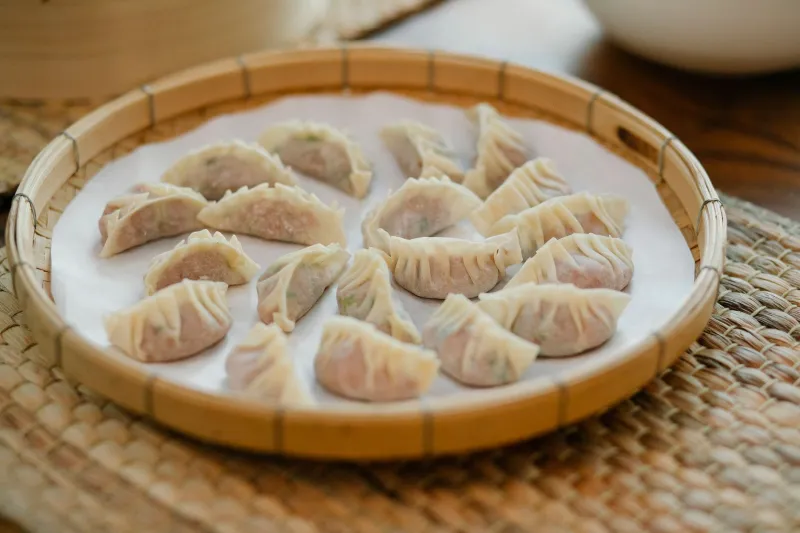
Dumplings and pancakes reheat best with a little moisture and gentle heat. Noodles benefit from a splash of water and a quick toss in a hot pan. None of this takes long. It just takes thirty seconds of intention.
The Value Math
One rice dish and two plates usually feed two adults with leftovers, or three adults without anyone feeling shortchanged. That is a better value than ordering four separate entrees that all taste the same. The rice stretches the meal. The vegetable plate adds volume. The crisp plate adds interest. You are not spending more; you are spending better.
Rotate One Variable Each Week
The fastest way to break takeout repetition is to change one thing at a time. Keep the rice anchor the same and swap the vegetable. Keep the vegetable the same and change the sauce. Keep the sauce the same and try a different crisp item. Small rotations keep the order familiar without making it boring.
Beijing Kitchen NJ works best as a neighborhood habit, not a special-occasion splurge. Build a weeknight order around one rice dish and two contrasting plates, and takeout night stops feeling like a default. It starts feeling like dinner.