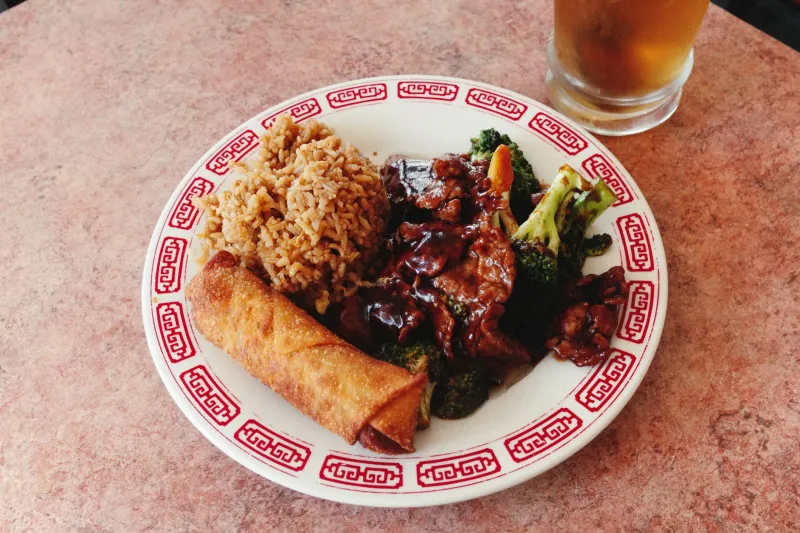
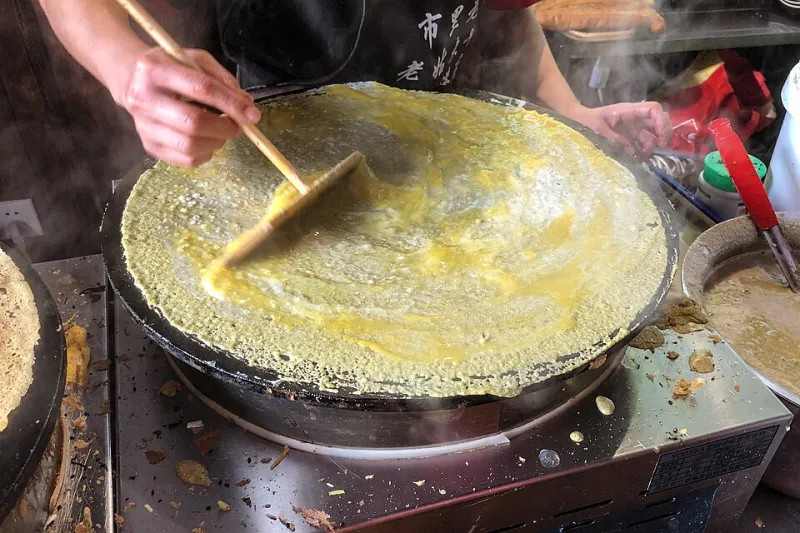
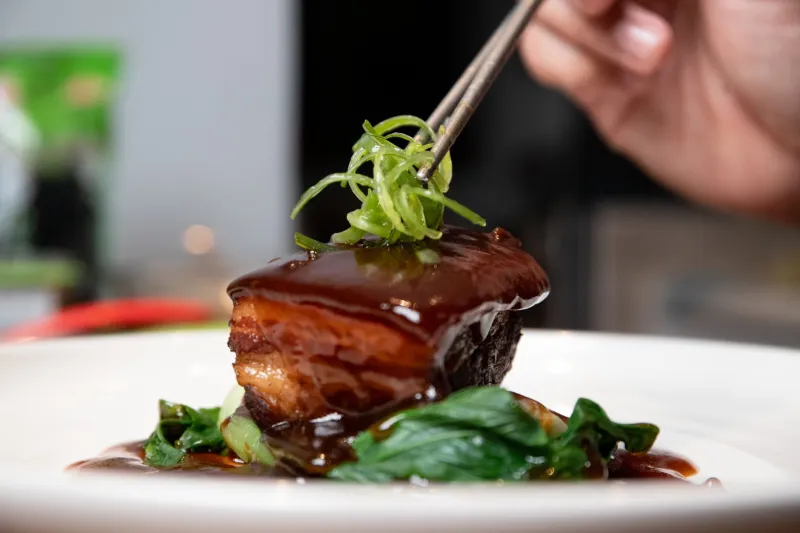
The Rice Ledger: A Beijing Kitchen NJ Takeout Order That Balances Itself
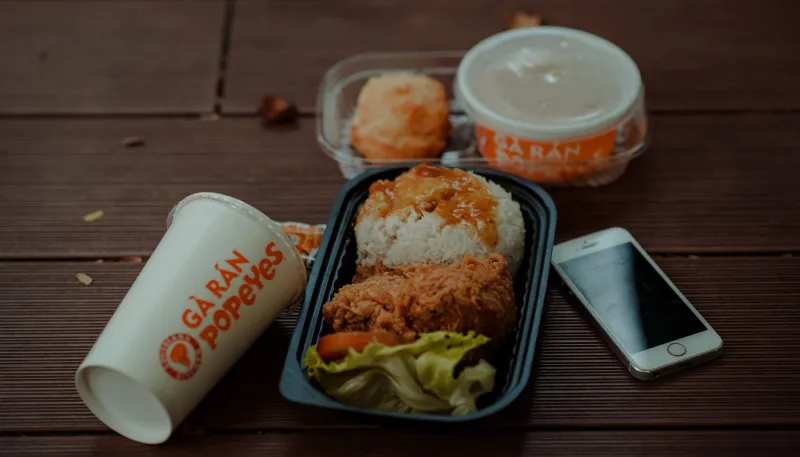
Rice gets treated like the receipt in the bag: useful, forgettable, and often tossed aside. That is a mistake. In a regional Chinese takeout order, rice is not the passenger. It is the frame. It catches sauce, resets the palate between bold bites, and decides whether tomorrow's leftovers are a gift or a soggy container of regret.
At Beijing Kitchen NJ, the menu is built for neighborhood takeout, which means the rice question is not academic. It is the difference between a dinner that feels balanced and one that feels like three sauces arguing in the same car. The trick is to stop asking whether rice is a side and start asking what job it is doing.
The container you almost forgot is load-bearing
A good takeout order has structure. One dish brings sauce. One brings crunch. One brings vegetables or acid. Rice is what holds that structure together. Without it, a saucy dish has nowhere to go and a crisp dish has no landing pad. With it, even a simple two-entree order starts to feel deliberate.
Think of rice as the neutral zone in the container. It absorbs the edges of a spicy mapo tofu or a garlicky eggplant without muting either one. It gives dry pot and cumin-heavy dishes a softer counterpoint. It also makes the second meal possible, which is the quiet genius of Chinese takeout in New Jersey: order a little more than dinner, then let the rice do the extending.
Read the menu by sauce yield, crunch, and reheat behavior
Most people order by heat level. A better filter is sauce yield. Ask how much liquid is coming in the container and whether you want rice to catch it, stretch it, or stay out of the way.
High-sauce dishes are rice's best friends. Braised pork, eggplant in garlic sauce, mapo tofu, and anything glossy with chili oil all benefit from a pint of steamed white rice underneath. These are the dishes that make rice taste like more than rice.
Dry or crisp dishes need a different partner. Cumin lamb, dry pot, fried items, and stir-fried greens with a little char are better when the rice is separate and available, not pre-mixed. You want contrast, not a casserole.
Reheat behavior matters too. Saucy dishes usually come back well. Fried or crispy items do not. Rice, meanwhile, is one of the most forgiving leftovers in the bag, as long as you do not bury it under three entrees and a lake of sauce.
The practical rule: for every high-sauce dish, order rice. For every crisp or dry dish, keep the rice plain and separate. If the whole order is saucy, add a vegetable or a cold dish for texture. If the whole order is dry, rice becomes even more important as a soft landing.
The ratios: one person, two people, a small family
A standard pint of takeout rice is roughly two generous restaurant scoops. That is a useful unit. For one person ordering one saucy entree and one vegetable, one pint is usually enough, with a little left for a next-day fried rice. If the entree is very saucy or you want lunch, order two pints and plan to use the extra.
For two people, two pints are a sensible baseline: one entree that brings sauce, one that brings crunch or heat, and one vegetable. If both entrees are saucy, add a third pint or make sure one dish has real texture. If you are ordering fried rice, treat it as a dish, not a side, and reduce the plain rice by one pint.
For a small family of three or four, three pints or one large tray of rice is a better starting point than four separate pints. Build around three entrees and two vegetables: one high-sauce, one dry or crisp, one protein-forward, plus something green and something crunchy. If the table includes big rice eaters, add one more pint. Rice is cheap insurance against a dinner that runs out of sauce catchers.
Which rice to order
Steamed white rice is the default for a reason. It is neutral, absorbs sauce, and reheats better than most people expect. It is the right call for mapo tofu, braised dishes, eggplant, and anything with a glossy chili oil finish.
Fried rice is a different tool. Order it when the entrees are dry, when you want texture in the container, or when you are building a meal around rice rather than treating rice as a side. Fried rice does not need a sauce bath. It needs a little space and a hot skillet the next day.
If brown rice is available, it works well with cumin and dry pot dishes, but it is not mandatory. The real upgrade is ordering one extra pint of plain rice. That pint is the difference between a good first meal and a second meal that actually holds together.
Leftover rules that save the next day
Do not combine everything into one container. Rice should stay separate from sauce until you are ready to eat. Crispy items should stay out of the microwave. Sauce-heavy dishes can go back in a skillet or a microwave-safe bowl, but rice needs a splash of water and a covered reheat to come back to life.
For fried rice the next day, heat a skillet with a little oil, add the cold rice, and let it sit before stirring. Toss in leftover vegetables, a scrambled egg, or a few pieces of protein. That is not a sad leftover. That is the second half of the plan.
Follow basic food-safety habits: refrigerate promptly, reheat until steaming, and do not push rice past a few days in the fridge. The goal is a smart second meal, not a science experiment.
A simple Thursday plan for a Jersey kitchen table
Order one high-sauce dish, one dry or crisp dish, and one vegetable. Add two pints of steamed white rice for two people. Eat half the rice with dinner, keep the sauce and vegetables separate, and leave one pint untouched. On Friday, that rice becomes a skillet fried rice with an egg and whatever greens survived. That is the rice ledger: a small extra line on the order that makes the whole week taste more intentional.