The Second-Quarter Spread: Game-Day Takeout from Beijing Kitchen NJ
Photo: Mayer, Merkel, & Ottmann: lithographersJames Albert Wales: artist, Public domain, via Wikimedia Commons
Wings are fine. Wings are also the default because they are easy to split, not because they are the best thing on the table. A football Sunday spread from Beijing Kitchen NJ can do the same job with more contrast: something crisp, something saucy, something cold, and enough rice to catch the overflow. The goal is a table people can eat from with one hand while the other hand is busy yelling at the television.
Why the Default Spread Fails
Wings and pizza are built for a crowd, but they are not built for a long game. They go cold, they go soft, and they all taste like the same flavor after the first quarter. A better spread has texture and temperature changes. It gives people who do not want heat a way out. It gives people who want heat a sauce on the side. And it gives the host a pickup plan that does not involve standing in a lobby at halftime.
Build the Spread by Hand, Heat, and Crunch
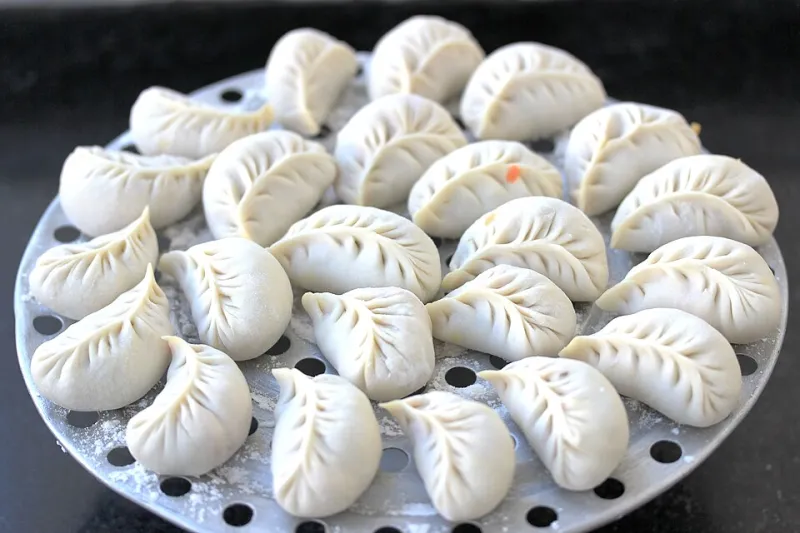
Think in three buckets: finger food, saucy centerpiece, and cold reset. Finger food is the easy reach. Dumplings, scallion pancakes cut into wedges, crispy tofu, and cumin lamb skewers if they are on the menu all work. So do cold cucumber spears, which sound too healthy for game day until you realize they are the thing everyone reaches for after the dry pot.
The saucy centerpiece is the anchor. A braise or a dry pot gives people something to spoon over rice, and it holds up better than a plate of fried food sitting under a lamp. Order one mild and one with more heat if your crowd is mixed. Put the chili oil on the side and let people decide.
The cold reset is not optional. A vinegary cold dish cuts through the fried food and the sauce. It also gives the table a second temperature, which makes the whole spread feel less like a pile and more like a plan.
Heat Levels for Mixed Company
Do not make the whole table spicy. Order a mild base, a medium centerpiece, and a hot sauce on the side. Label the containers with sticky notes if you have guests who are unsure. Dumplings and scallion pancakes are the safe harbor. The dry pot or braise can be the medium. Chili oil, black vinegar, and extra sauce go on the side so people can build their own plate.
If someone at the table thinks mild is a personal insult, they can add heat. If someone thinks black pepper is a challenge, they can stay in the safe zone. A good game-day spread does not force a decision at the container.
Sauce Pairings That Travel
Sauce is the difference between a spread that feels deliberate and a spread that feels like a bag of containers. Keep three or four on the table: black vinegar with chili oil for dumplings, a sesame or peanut sauce for cold noodles if you have them, soy and ginger for anything braised, and extra braise sauce for the rice. Do not drown the food before it gets to the table. Let people sauce their own.
Quantity Guide for Four, Eight, or Twelve
These are starting points, not rules. If your crowd is big on rice, add rice. If your crowd is big on finger food, add dumplings.
| Crowd | Main dishes | Rice or noodles | Dumplings | | 4 people | 4 to 5 dishes | 1 large | 24 to 30 | | 8 people | 8 to 10 dishes | 2 large | 50 to 60 | | 12 people | 12 to 14 dishes | 3 large | 80 to 90 |
For four, think one cold dish, one saucy centerpiece, one finger-food plate, and one vegetable or rice. For eight, double that and add a second centerpiece. For twelve, build a table with two cold dishes, two centerpieces, two finger-food plates, and plenty of rice. Do not try to make twelve people share one braise. That is not a spread. That is a hostage situation.
Pickup Timeline That Beats Halftime
The halftime rush is real. People call at 2:15 for a 1 p.m. game and then wonder why the bag is late. Beat it by ordering early and picking up before kickoff, not during the second quarter.
For a 1 p.m. kickoff, place the order by 11 a.m. and pick up around 12:15. For a 4 p.m. game, order by 2:30 and pick up around 3:15. For a 8 p.m. game, order by 6:30 and pick up around 7:15. If you are feeding a bigger crowd, add 15 minutes to the pickup window. The food will hold better at home than it will in a lobby.
The Crisp-Protection Plan
Fried food does not fail all at once. It fails because it is trapped under a lid. At home, open the containers and let the steam escape. Put a paper towel under the crispy items if they are greasy. Reheat them in a 375-degree oven for five to seven minutes, not in the microwave. Keep sauces separate until people are ready to eat. Stack containers flat, not tall.
If you are setting the table before kickoff, put the cold dishes out first and keep the fried items in the oven on low until the first guests arrive. Then bring them out in batches. A second batch of dumplings at the two-minute warning is a better host move than a full table of cold food at kickoff.
The Game-Day Order in One Line
One cold reset, one mild centerpiece, one hotter centerpiece, dumplings, scallion pancakes, and rice. Sauce on the side. Pick up before kickoff. Vent the crispy things. Let people build their own plate.
That is a football Sunday at Beijing Kitchen NJ. Wings can come. They just do not have to run the whole show.