Slow Food in a Fast Bag: Putting Braises at the Center of a Beijing Kitchen NJ Dinner
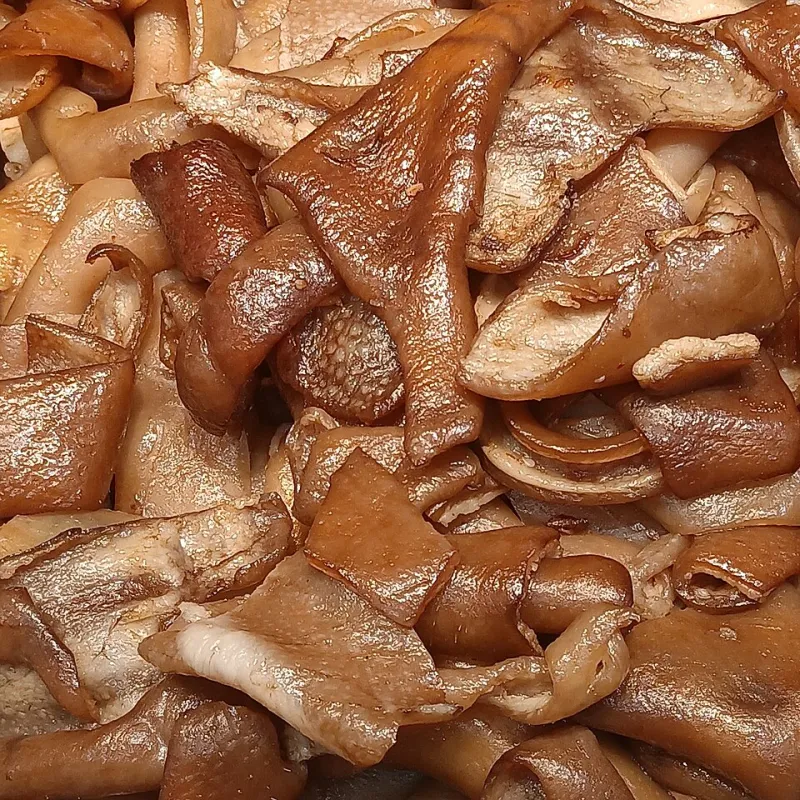
Photo: Fumikas Sagisavas, CC0, via Wikimedia Commons
Most takeout orders follow the same gravity. Noodles are easy to love. Dumplings are a reflex. A stir-fry feels like the safe middle. Braises, meanwhile, sit off to the side of the menu like the reserved kid at a party, waiting for someone to notice that they are actually the most interesting person in the room.
At Beijing Kitchen NJ, that is worth correcting. Braised dishes and clay-pot-style cooking are not the flashiest part of a regional Chinese menu, but they are some of the best suited to takeout. They do not need to be eaten within four minutes to be good. They do not lose their appeal in a closed container. In fact, they often get better on the ride home.
Why the braise travels better than the wok
A stir-fry is a performance. It depends on high heat, fast movement, and the contrast between a blistered edge and a tender center. That performance is wonderful in a restaurant. In a takeout container, it has a short shelf life. Steam softens the crisp bits. Sauce collects at the bottom. The dish is still fine, but it is no longer the thing the wok was trying to make.
A braise is not putting on that kind of show. It is a long, low conversation between meat, tofu, aromatics, and sauce. The point is not crunch. The point is depth. That makes it naturally resilient. A braised pork belly, a clay-pot chicken, or a braised tofu dish can sit in a warm car for twenty minutes and come out tasting more settled, not less. The sauce has had time to pull itself together. The salt has moved through the ingredients. The whole thing has relaxed.
This is the quiet advantage of ordering a braise from Beijing Kitchen NJ on a Jersey weeknight. You are not racing the food home. You are giving it a little more time.
The flavor curve is different
With fried food, the clock starts at the fryer and only goes one direction. With braises, there is a small window after packing where the dish actually improves. The sauce thickens slightly as it cools. The star anise, ginger, scallion, and soy in the braising liquid taste less separate and more unified. If the dish includes daikon, bamboo, tofu skin, or mushrooms, those ingredients have been soaking up the sauce the whole time, and the extra minutes in the container finish the job.
That is why a braise can feel more generous at home than it did on the first spoonful. It is not a leftovers effect. It is the nature of the cooking. Slow-cooked food is already patient. Takeout just gives it one more chance to be patient with you.
Build the table around one braise
The mistake is treating a braise as a side order to noodles or dumplings. It can play that role, but it is better as the center of the table. One braise, one crisp cold dish, rice, and a vegetable is a complete dinner with more range than a bag full of similar-textured food.
Start with the braise. Something with sauce and heft: braised beef, clay-pot chicken, pork belly, or a braised tofu if you want a meatless anchor. Then add a cold dish for contrast. Smashed cucumber, wood ear salad, or a vinegar-forward cold vegetable gives you the snap and brightness that the braise does not. This is not decoration. It is structure. The cold dish resets your palate between rich bites.
Rice is non-negotiable. A braise without rice is a sauce looking for a job. White rice is the simplest answer, and it is the right one. If you are ordering for more than two people, get extra rice. The sauce-to-rice ratio is the real test of a well-built takeout table.
Then bring in a vegetable. Garlicky greens, dry-fried beans, or a simple stir-fried cabbage will do more for the meal than another fried appetizer. You want something fresh and slightly aggressive next to the deep, rounded flavor of the braise. That combination is what makes the dinner feel balanced instead of heavy.
A practical order for a Jersey table
For two or three people, one braise, one cold dish, one vegetable, and rice is enough. For four, add a second braise or a dumpling order, but keep the cold dish and vegetable in place. The goal is not to fill the table with containers. The goal is to give each container a job.
If you are picking up on a chilly night, keep the braise sealed until you sit down. It will hold heat well. If you are eating a little later than planned, do not panic. Reheat gently on the stovetop over low heat with a splash of water, or microwave it covered in short bursts. Avoid blasting it. A braise does not need to be rescued. It needs to be warmed through.
And if there is leftovers, know that you have accidentally planned a second meal. Braised dishes often taste even better the next day. Spoon the sauce over rice, add a handful of greens, or stretch it with stock for a quick soup. That is not a compromise. That is the braise doing what it was always going to do.
The underordered centerpiece
Noodles and dumplings will always have a place in a Beijing Kitchen NJ order. They are fast, satisfying, and familiar. But braises deserve a bigger role than they usually get. They are the dishes that make a takeout dinner feel cooked rather than assembled. They are the ones that reward the drive home instead of punishing it.
So next time you order, let the quiet dish take the center. Get the braise. Put rice next to it. Add something cold and something green. You may find that the best part of the bag was the container you almost skipped.