The Reluctant Guest: A Four-Person Beijing Kitchen NJ Order Built for Skeptics
Photo: 雄奇, CC BY 4.0, via Wikimedia Commons
Every friend group has one. The person who, when the takeout conversation starts, says some version of: I'm not really a Chinese food person. Nine times out of ten, what they mean is that once, at a desk, they were handed a foamy container of something gray and aggressively sweet, and they've been voting no ever since.
You don't fix that with a lecture. You fix it with a table.
The goal here isn't to sneak anything past anybody or to sand the menu down to chicken fingers. It's to build an order where nothing on the table looks strange from across the room, everything tastes like itself, and there's one small, optional door open for the person who gets curious around plate two. That's a Beijing Kitchen NJ order for four, and it works.
Start With Shapes They Already Know
Texture is where skeptics get lost, not flavor. A bowl of something slippery and unfamiliar reads as a risk; a wedge of flatbread does not. So the first layer of this order is all familiar geometry: rounds, noodles, dumplings, wedges.
- Scallion pancakes — two orders. Cut into wedges like a pizza, they're the single easiest entry point on the menu. Crisp outside, chewy inside, salty and faintly sweet from the scallion. Nobody has ever needed a explanation for a flatbread.
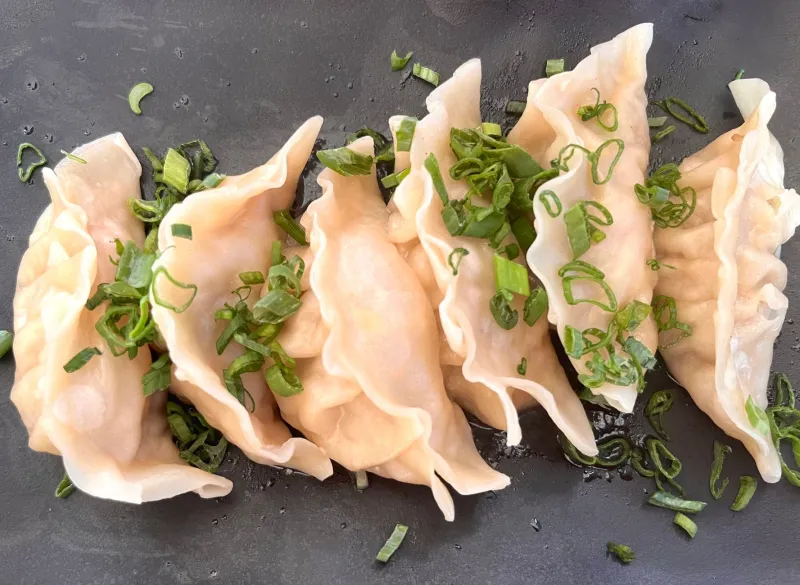
- Steamed pork dumplings — one order. Skip the fried version the first time. Steamed dumplings look like dumplings, which is to say they look like something from a Sunday dim sum spread or a freezer bag, depending on your history. Both are fine starting points.
- Chicken lo mein — one order. Noodles are the universal handshake. This is the dish that quietly gets finished first, and it's the one that makes the whole table relax.
The Middle of the Table
Now the actual meal. Two vegetable-leaning dishes, one protein, one starch — enough overlap that nobody has to commit to a single container.
- Beef with broccoli — one order, mild. Ask for it exactly as it comes; don't request it sweeter. The point of this dish tonight is that it tastes like beef and broccoli, which is a genuinely good thing to taste like.
- Dry-fried green beans — one order. Blistered, wrinkled, salty, a little smoky. This is the sleeper hit of the whole spread. Green beans are a vegetable New Jersey already trusts, and the texture is closer to roasted than to steamed.
- Mapo tofu, mild — one order. Here's the first small step out. Soft tofu in a glossy, savory sauce, numbing only if you let them crank it. Ordered mild, it reads as "savory saucy tofu," which is a very short distance from anything they already eat.
- Rice — two pints minimum for four people. Order more than you think. Rice is the safety net that lets a cautious eater build a plate without committing to a full portion of anything.
That's six containers plus rice for four adults. It's a real dinner, not a sampler, and there's usually a pint of noodles left over.
The One Surprise, Parked at the Edge
Every table like this deserves one item that's genuinely regional and genuinely optional. Ours is cumin lamb, ordered as a small side and placed at the far end of the table — not the middle. This matters. The center of the table is a visual claim; the corner is an invitation.
Cumin is the reason this works. It's a spice New Jersey already knows from taco night, from chili, from a hundred backyard grills. The lamb is the unfamiliar part, but the seasoning is a handshake, and the dish smells so good that somebody will ask about it before the second round of dumplings.
If they don't ask, that's fine too. It goes home and becomes tomorrow's lunch.
Label the Lids
A skeptic at a shared table is doing silent math: which container is safe, which one will light me up, which one has something in it I can't identify. You can end that math in ten seconds with a Sharpie.
Write on the lids before anyone sits down. NOODLES. BEEF & BROCCOLI. GREEN BEANS. TOFU — MILD. LAMB — CUMIN, A LITTLE SPICY. RICE. It sounds fussy. It isn't. It's the difference between a guest who serves themselves and a guest who waits to be served and then eats three bites.
Keep the Heat on the Sidelines
Ask for chili oil and any sauce cups on the side, and put two small cups near each setting instead of one big one in the middle. Dosing your own food is a feeling of control, and control is most of what a picky eater is actually asking for. Someone who's never had chili oil will try a drop on a dumpling out of pure curiosity. Nobody tries a drop if it's already stirred into the noodles.
Three Things Not to Do
Don't oversell. "You're going to love this" is a trap. Say the green beans are good and move on.
Don't order four sweet-sauce dishes to play it safe. That's how you recreate the exact meal that made them skeptical in the first place, and it's a disservice to the kitchen. This order is mild, not bland — there's a difference, and the garlic, scallion, and cumin in it are doing real work.
Don't make them try anything. The lamb sits at the end of the table. That's the entire pitch.
What Usually Happens Next
Round one, they eat noodles and a pancake wedge and a lot of rice. Round two, someone mentions the green beans. Round three is mostly silence and second helpings, which is the highest compliment a table can pay.
A week or two later, they'll text you a question about dumplings — whether the steamed ones reheat well, whether the pancakes freeze. That's the moment the skeptic becomes a regular, and it happens over a container of noodles, not a conversation.
Set the table, label the lids, and put the lamb in the corner.