Crisp Containers and Fair Shares: A Friday Team Lunch Playbook for Beijing Kitchen NJ
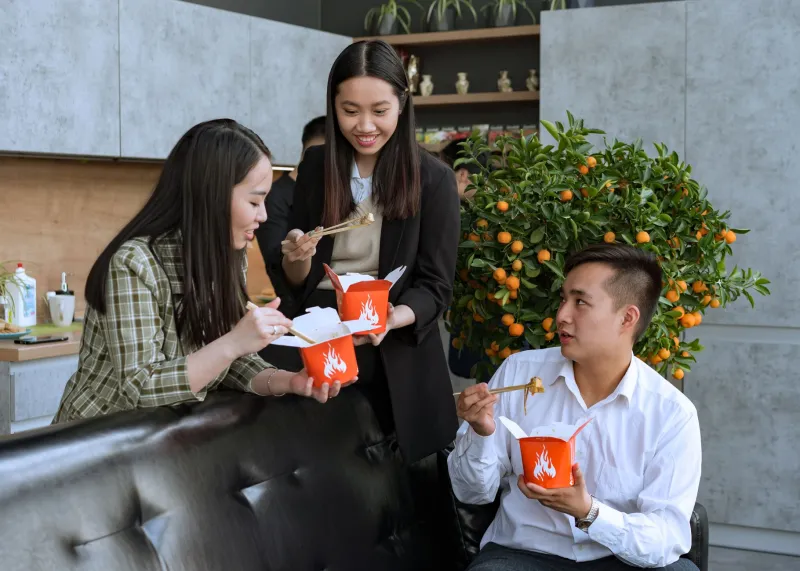
Friday lunch at the office has a familiar arc. Someone volunteers to order, everyone nods, and forty minutes later the team is staring at a stack of containers that all smell the same and taste roughly the same, too. The combo-platter reflex is understandable. It is fast, it is predictable, and nobody has to explain what is inside. But a small New Jersey crew can do better without turning lunch into a catering project. The move is to treat Beijing Kitchen NJ like a neighborhood kitchen with a regional menu, not a generic takeout counter.
Start With a Head Count, Not a Combo Number
The first mistake in group takeout is ordering one entree per person. That sounds fair, but it usually produces too much sauce, too little variety, and a sad pile of leftovers nobody wants to claim. For a shared Friday lunch, think family style. A crew of six to eight people can work from five or six main dishes plus rice or noodles. A group of nine or ten should push toward seven or eight dishes, with one extra container as insurance. The insurance dish is not a failure of planning. It is the thing that disappears first when a meeting runs long.
A useful split is roughly half protein, half vegetables, with one noodle or rice dish to anchor the table. If the group is cautious, keep one dish plainly savory and mild. If the group is adventurous, spend that slot on something with cumin, chili, or a little numbing heat. The goal is a spread where people can take a small spoonful of something unfamiliar without committing to a full container.
The Travel-Safe Core
Some dishes are built for a short car ride. Braises, dry pots, and cold sides tend to hold their character better than anything fried and sauced. A cumin beef or lamb dish travels well because the spice stays on the meat instead of pooling at the bottom. Dry pot cauliflower keeps its edges and gives the table a vegetable option with real presence. Mapo tofu is forgiving in a container and easy to spoon over rice. Garlic eggplant is softer, but it works as a rich counterpoint to crunchier things.
Cold cucumber salad is the quiet hero of a group order. It arrives ready to eat, cuts through heavier dishes, and does not need reheating. Dumplings can work for a team lunch, but they need a plan. Keep them in a single layer if the kitchen can manage it, and ask for sauce on the side so they do not turn gummy on the drive. A container of plain rice is not boring. It is infrastructure.
Where the Crunch Lives
The usual Chinese takeout problem is not the food itself. It is the steam. Fried items go into sealed containers, the drive takes fifteen minutes, and by the time the lids come off, the crisp edges have gone soft. Beijing Kitchen NJ can help, but the orderer has to help too. Ask for sauces on the side whenever possible. Do not stack a hot braise directly on top of scallion pancakes or anything fried. If the restaurant offers separate containers for crispy garnishes, take them.
At the office, vent the lids on fried items as soon as the bags arrive. Do not seal everything back up while people gather. If there is a toaster oven or air fryer, a two-minute refresh can bring back some edge, but the better move is timing. Pick up close to lunch, not at eleven for a twelve-thirty meeting. A short holding time is worth more than any reheating trick.
Build a Spread Coworkers Can Navigate
A group order works better when it is labeled. Use a marker or sticky notes. Write mild, medium, hot, and contains peanuts where they apply. Put the cold cucumber salad at one end and the heavier braises at the other. Set out plates, napkins, forks, and a few serving spoons. Sauce cups should be separate, not poured over everything. This sounds fussy, but it takes two minutes and prevents the coworker who hates spice from accidentally getting the cumin dish.
Encourage small first passes. People who normally order the same chicken and broccoli every week will often try a spoonful of dry pot cauliflower if it is sitting open and labeled. The point is not to lecture anyone about regional Chinese food. It is to make the unfamiliar feel low-risk. A small office lunch is a good place for that.
A Sample Order for Eight
For eight people, a workable Beijing Kitchen NJ spread might look like this: cumin beef or lamb, dry pot cauliflower, braised pork, mapo tofu, garlic green beans, cold cucumber salad, scallion pancakes, and one large vegetable fried rice, with extra rice on the side. That is eight shared items, enough for a hearty lunch with a little left over. Ask for chili oil and soy or black vinegar on the side. If the group is hungrier than expected, add dumplings rather than another sugary entree.
For six people, drop one protein and keep the vegetables. For ten, add a noodle dish and one more vegetable. The exact dishes can change with the menu and the crowd, but the structure holds: a few travel-safe braises, one or two crisp items kept separate, a cold side, and rice to catch the sauces.
Pickup Timing and the Office Setup
Bring a flat-bottomed bag or a box for the trunk. Containers that ride at an angle leak. If the office has a cart or a clear table, set the spread up there instead of crowding it onto one desk. Keep hot dishes together and cold dishes together. Do not leave dumplings sitting under a hot container. If lunch is delayed, refrigerate the cold sides and reheat only the braises. Fried items are better at room temperature than microwaved into submission.
The Friday office order does not need to be a production. It needs a head count, a texture plan, and a pickup time that respects the food. Beijing Kitchen NJ is a neighborhood takeout kitchen, and that is exactly the right scale for a small New Jersey team. Order a little more widely than usual, keep the crunch out of the steam, and let the table do the rest.