What Keeps, What Wilts, What Improves: A Three-Day Leftover Plan for Beijing Kitchen NJ
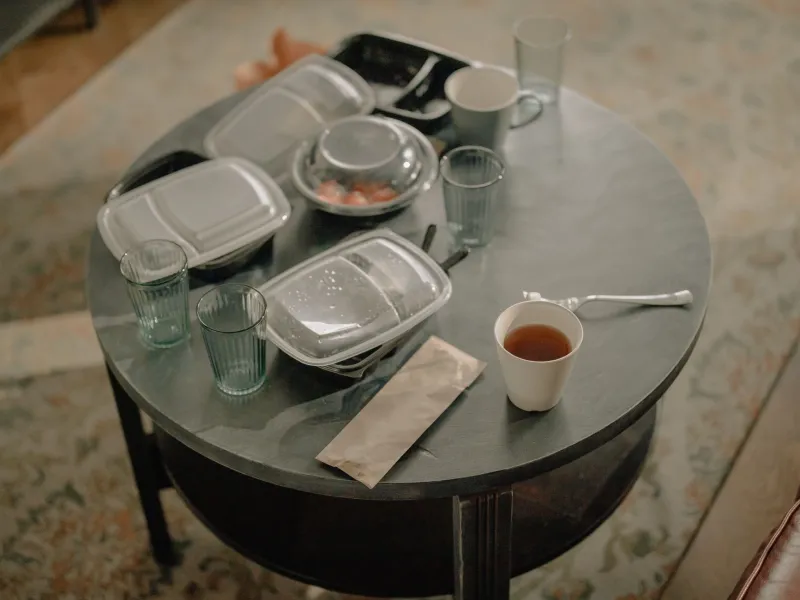
The bag comes in, the lids come off, and for twenty minutes the kitchen smells like a very good idea. Then the leftovers go into the fridge in a slightly leaning stack, and the real question arrives: what is still worth eating tomorrow, and what should have been finished tonight?
This is not a strict rulebook. It is a map for the ordinary New Jersey refrigerator — the one with a jar of pickles, a half-lemon, and not quite enough shelf space. The goal is simple: keep the crunch where it belongs, keep the sauce from taking over, and know which container to open first.
The Two-Hour Rule and the Three-Day Ceiling
Start with the basics, because they matter more than any reheating trick. Takeout should go into the fridge within two hours of pickup, or within one hour if the day is hot enough that the car feels like an oven. Once it is cold, plan to finish most cooked dishes within three to four days. The USDA is blunt about this, and so is common sense: if it smells off, looks slick, or has been hiding behind the milk since Saturday, let it go.
Reheat leftovers to 165°F, and stir so the heat gets everywhere. A microwave that leaves the center lukewarm is not doing you a favor.
One Jersey-specific note: do not pack the containers shoulder to shoulder against the back wall. Cold air needs to move. If the fridge is already full, put the newest containers on a plate or tray so they are easy to pull out — and easy to remember.
Day One: Eat the Fragile Things First
Some dishes are at their best in the first hour and merely fine afterward. Those are the ones to finish on night one.
Anything fried or griddled belongs at the top of the list: scallion pancakes, spring rolls, crispy noodles, fried tofu with a crust, and anything that arrived with a distinct crackle. A microwave turns that crackle into chew. If you cannot finish it, reheat the next day in a dry skillet or an air fryer, not a covered container.
Cold dishes and cucumber salads are also day-one food. They lose their snap quickly, and the dressing eventually pulls water out of the vegetables. Eat them cold, straight from the fridge, or not at all.
Dumplings are a middle case. They are perfectly good on day one, but the wrapper texture starts to soften. If you have a mix of dishes, eat the dumplings before the braise.
Jianbing is a special case: it is a fresh-off-the-griddle food. If you ordered one, eat it. There is no noble second act.
Day Two: The Revival Zone
Day two is where most Beijing Kitchen NJ orders hit their stride — if you reheat with a little intention.
Stir-fries, cumin dishes, dry pot, mapo tofu, and braised meats all come back well on the stovetop. Use a skillet or wok over medium heat, add a splash of water or broth, and toss until the sauce loosens. Dry pot is especially good this way: the second day in a hot pan gives the vegetables and tofu a little more edge.
Rice needs a different approach. Sprinkle a spoonful of water over the top, cover it, and microwave in short bursts, or steam it in a colander over simmering water. Day-old rice is also the beginning of something better — see day three.
Noodles can clump into a single mass in the cold. Loosen them in boiling water for about thirty seconds, or toss them in a hot skillet with a little oil. Do not microwave a solid block of noodles and expect a happy result.
Dumplings revive best as potstickers: hot pan, a little oil, a splash of water, cover, and let them steam-fry until the bottoms are crisp again.
Day Three: Repurpose Instead of Reheating
By day three, plain reheating starts to feel like a chore. That is the moment to change the dish rather than warm it.
Leftover rice becomes fried rice. Add an egg, scallion, a little soy sauce, and whatever vegetables are in the drawer. Leftover stir-fry can be folded into an omelet or tossed with fresh noodles. Braised meat can be shredded into congee or a quick soup. Dry pot can be stretched with fresh tofu, cabbage, or mushrooms and reheated as a new dish entirely. Dumplings can go into broth with greens for a dumpling soup.
Sauces deserve a mention here. If you asked for sauce on the side — and you should — a leftover chili oil, garlic sauce, or black vinegar dip can dress a lunch salad, marinate chicken for tomorrow, or finish a bowl of plain noodles. That is not a leftover. That is a condiment with a second career.
What Does Not Survive Gracefully
Some things are better finished than saved. Fried items lose their reason for being. Herbs and scallion garnishes wilt into sad green threads. Cold sesame noodles can turn stiff and clumpy. Anything with raw cucumber or lettuce should be eaten on day one.
Freezing is an option for dumplings and braised meats, but not for crisp or fresh-textured dishes. A frozen spring roll is a project, not a plan.
A Simple Container System
Use clear containers so you can see what you have. Label the lid with the dish and the date. Keep sauces separate when possible, and do not pour a wet stir-fry over rice before storing — the rice will absorb everything and turn to porridge. Let containers cool slightly before lidding, but get them into the fridge within that two-hour window.
Store the most fragile items in front, where you will see them. Put the braises and rice toward the back. The fridge is a small system, and the person who opens it at 12:30 on a Wednesday will thank you for the labeling.
The Lunch Math
A useful habit: plan for one fresh meal and one repurposed meal from every order. Thursday night takeout becomes Friday lunch stir-fry and Saturday fried rice. That is not drudgery. It is the reason a neighborhood order can carry a week.
The fridge clock is not about being rigid. It is about knowing which lid to twist open first. And when you order from Beijing Kitchen NJ, ask for the sauces on the side. It makes the second day better, and the third day possible.