The Two-Meal Rule: A One-Person Takeout Plan at Beijing Kitchen NJ
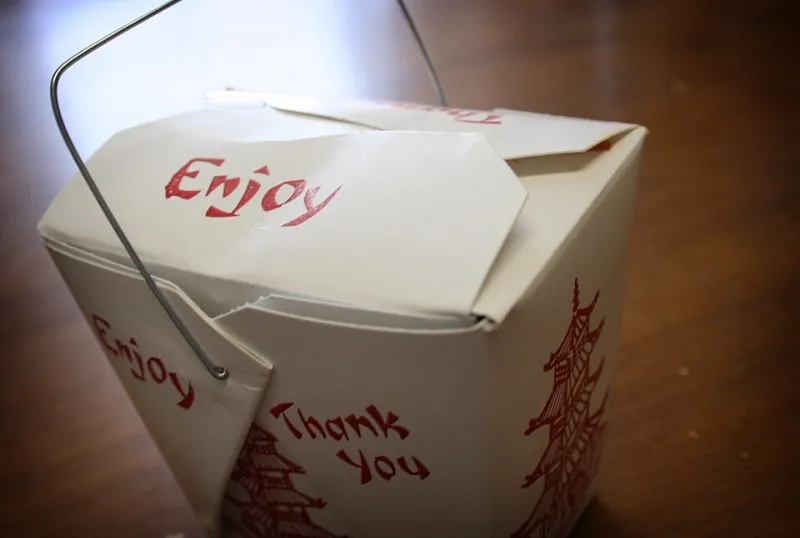
Photo: Fumikas Sagisavas, CC0, via Wikimedia Commons
Takeout for one has a quiet failure mode: the order is technically enough for dinner, but it arrives with the gravitational pull of a family-style spread. Two entrées, a vegetable, rice, maybe an extra dish because the menu is long and the night is short. By the time the containers are stacked in the fridge, you’ve accidentally signed up for a week of reheated odds and ends — none of them quite enough to be a meal, all of them too much to ignore.
The fix isn’t to order less for the sake of ordering less. It’s to order in a small format on purpose. At Beijing Kitchen NJ, that means treating a one-person takeout bag like a tiny menu: one center dish, one vegetable, rice, and one sauce. From there, the goal is simple — dinner tonight feels complete, and the second meal is a plan, not a surprise.
Start With the Container Math
Most Chinese takeout is built for sharing, so the container sizes can run larger than a single appetite. Before you pick dishes, decide how many meals you actually want the order to cover. A reasonable target for one person is two: tonight’s dinner and one lunch later in the week. That’s it. Three meals is possible, but it usually means eating the same thing three times or freezing something you’ll forget about by Thursday.
This is where the “one center, one vegetable, rice, one sauce” structure earns its keep. It gives you variety without a crowded fridge, and it keeps every container attached to a purpose.
Pick a Center That Reheats With Dignity
The center dish is the anchor — the thing you’d call “the meal” if someone asked. For a solo order, favor dishes that hold up overnight. Braised dishes, mapo tofu, twice-cooked pork, cumin beef, and many dry-pot-style vegetable or meat dishes tend to reheat cleanly because their flavors settle rather than collapse. They also portion well: you can eat half tonight and know the other half will still taste like itself tomorrow.
Be more cautious with anything that depends on a hard crunch. Fried cutlets, crispy noodles, and delicate fried appetizers are at their best in the first fifteen minutes. If you order them, eat them first — don’t plan a second life for them in the microwave.
A practical move: choose a center dish with some sauce or braising liquid, but not so much that it drowns the rice. You want enough to coat, not enough to turn the container into soup.
The Vegetable Is Not a Garnish
For one eater, the vegetable is often the first thing to get skipped — and the first thing to feel missing. Pick one vegetable dish that can stand on its own: garlic Chinese broccoli, green beans with minced pork, dry-pot cauliflower, or a simple stir-fried leafy green. The point is contrast. If the center dish is rich and dark, the vegetable should be brighter and lighter. If the center is spicy, the vegetable can be mild.
Vegetables also reheat differently than meat. Leafy greens are best eaten the night they arrive; they lose texture quickly. Firmer vegetables — cauliflower, green beans, broccoli stems — tend to survive a gentle reheat. If you know you want a second meal, lean toward the firmer option and eat the leafy greens first.
Rice, But on Purpose
Rice is the quiet infrastructure of the whole order. For one person, a standard takeout rice container can easily cover two meals if you’re deliberate about it. Order rice with the second meal in mind, not just tonight’s plate. That means resisting the urge to dump the entire container onto dinner just because it’s there.
At home, portion the rice into two servings before you sit down. It sounds fussy, but it prevents the classic solo-takeout drift: a little rice left in the bottom of the container, not enough for lunch, too much to throw away. If you’re planning a second meal, a little extra rice is a feature, not a leftover.
One Sauce, Not a Collection
A sauce can make a small order feel bigger, but a drawer full of tiny containers is its own kind of clutter. Pick one sauce that bridges the center dish and the vegetable. Chili oil works if you want heat across the board. A vinegar-forward sauce can cut through richness. A savory brown sauce can tie a milder center dish to rice.
The key is to use the sauce as a tool, not a collection. If you get two sauces, ask yourself which one you’ll actually finish. One good sauce, used twice, beats three half-empty cups in the fridge door.
Plan the Second Meal Before You Order
The two-meal rule only works if the second meal is intentional. Before you check out, decide what it will be. Maybe it’s the other half of the center dish with the remaining rice and a handful of the firmer vegetable. Maybe it’s a lunch where you add a fried egg or some quick greens from home. Maybe it’s a “clean out the containers” plate on Wednesday.
Write it down if you need to. The point is to avoid the accidental meal — the one that happens because you open the fridge, see four containers, and eat a little of everything standing at the counter. That’s not a solo table; that’s a scavenger hunt.
What to Eat First, What to Save
On the night of the order, eat the most fragile things first: fried items, leafy greens, anything with a crisp edge. Save the braised, the saucy, and the firm vegetables for the second meal. When you reheat, go gentle. A skillet over medium heat with a splash of water can revive a dry pot or a braised dish better than a high microwave blast. Rice is happiest with a sprinkle of water and a covered reheat.
And if the second meal never happens? That’s a signal for next time: order one fewer container, or choose a center dish that freezes well. The goal isn’t to be perfect. It’s to make the solo takeout night feel like a decision rather than a default.
The Solo Bag, Reconsidered
A one-person Beijing Kitchen NJ order doesn’t have to be a miniature version of a group spread. It can be a small, deliberate bag: one center, one vegetable, rice, one sauce. Dinner feels complete. The second meal is already spoken for. And the fridge stays a fridge — not a graveyard of good intentions.