From Steam to Seat: Protecting Beijing Kitchen NJ Takeout on a Chilly Jersey Night
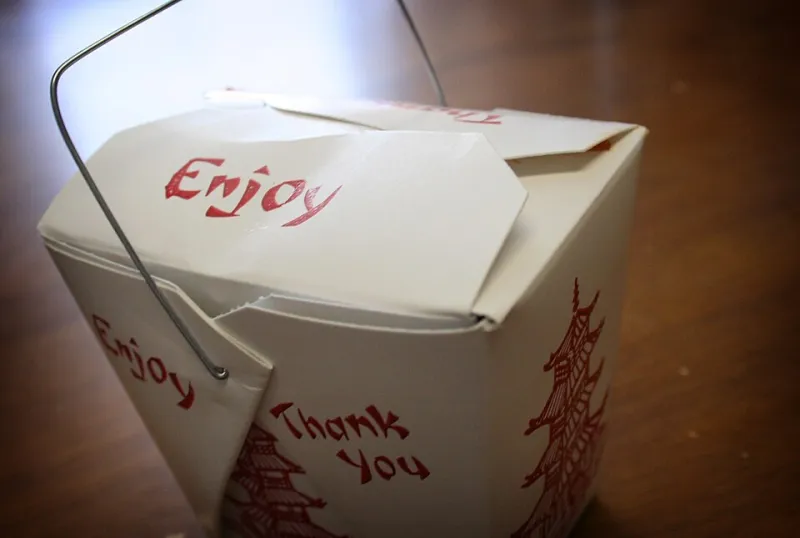
Photo: Ginny from USA, CC BY-SA 2.0, via Wikimedia Commons
The hardest part of takeout on a chilly Jersey night is not choosing between dumplings and noodles. It is the handoff: that short stretch between the restaurant counter and your table, when cold air, trapped steam, and a warm car all start making decisions for you. A good order can survive the trip. It just needs a little planning.
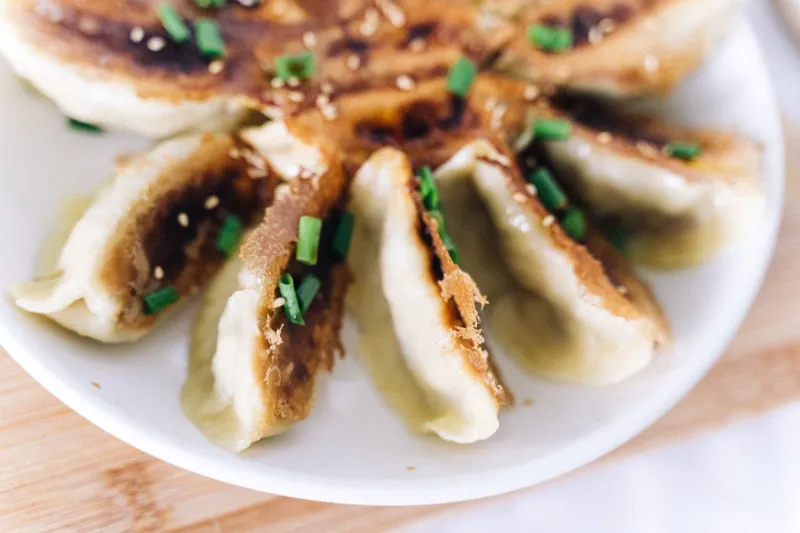
This is not a lecture on food safety or a shopping list for restaurant-grade equipment. It is a simple late-fall routine for Beijing Kitchen NJ takeout — one that protects crisp edges, keeps saucy noodles from turning into a solid block, and gets dumplings to the table while they still taste like dumplings.
Start With the Bag, Not the Menu
A flimsy plastic bag is a poor match for a cold night. If you are picking up dinner, bring an insulated bag or a small cooler with a towel inside. You do not need to preheat it aggressively. A hot-water bottle wrapped in a dish towel can take the edge off, but direct heat against containers is a bad idea. The goal is steady warmth, not a miniature sauna.
Keep the bag upright and packed tight enough that containers do not slide around. If you have a choice, put heavier braises and soups at the bottom, crisp items near the top, and anything with a vented lid above the saucy dishes. A folded towel over the top adds a little insulation and soaks up condensation before it reaches your car seat.
The Car Is a Holding Cabinet, Not a Sauna
On the drive home, resist the urge to blast the heat. Hot air aimed at takeout containers can steam crisp food and make lids flex. Set the cabin temperature to something comfortable, keep the vents pointed away from the food, and put the bag on the passenger seat or floor where it will not slide. If your car has a seat warmer, a low setting under the bag can help on a genuinely cold night, but do not cook the containers.
Crack a window for a minute if the car feels humid. That sounds small, but moisture is the enemy of fried rice, scallion pancakes, and anything that started the trip with a crisp edge. You want the food warm, not fogged in.
Vent the Crisp, Seal the Saucy
Not every container should be treated the same way. Crisp items need a path for steam to escape. If Beijing Kitchen NJ packs fried rice, spring rolls, or a fried dish with a vented lid, leave the vent open during the drive. If a crisp item is sealed tight, open the lid for a moment when you get home, then leave it ajar while you set the table.
Saucy noodles, braises, and soups are the opposite. Keep them sealed until serving so they hold heat and do not dry out. Dumplings can stay sealed, but give them a quick vent when you get home if the lid is dripping with condensation. Rice is usually fine sealed, though a paper towel under the lid can catch excess moisture once you open it.
The general rule: let crisp food breathe, let wet food stay wet, and do not let either sit in a closed, steamy bag longer than necessary.
A 20-Minute Handoff Plan
Here is the routine that works for a typical pickup-to-table trip.
Minutes 0–3: Check the order at the counter. Make sure lids are seated and bags are upright. If you ordered both crisp and saucy dishes, ask for them to be packed in separate bags or at least separated inside the main bag. This is the easiest moment to fix a problem.
Minutes 3–10: Drive with intention. Keep the car comfortable, vents away from the food, and the bag stable. Do not run a long errand on the way home. Takeout is not a marathon.
Minutes 10–13: Stage at home. Clear the table, turn on the oven to a low setting if you plan to use it, and set out serving plates. Warm plates are a quiet upgrade on a cold night. Open vents on crisp items and leave saucy containers sealed.
Minutes 13–18: Reheat selectively. Crisp items go into a 350°F oven on a sheet pan for a few minutes, or into a dry skillet. Noodles and braises can warm gently in a pan with a splash of water or broth. Dumplings are best steamed briefly or pan-fried rather than microwaved hard. If you use the microwave, do it in short bursts and cover saucy dishes loosely.
Minutes 18–20: Serve fast. Put sauces on the table, open the containers, and call everyone over. The point of the handoff is not perfection. It is getting the food to the table while it still has its personality.
Which Dishes Hold Heat Best
Dumplings are reliable travelers. They hold warmth well and can be revived with a quick steam or a hot skillet. Braised dishes, dry pot-style orders, and saucy noodle dishes also tend to survive because they carry their own moisture and heat. Rice bowls are forgiving, especially if you fluff the rice before serving.
Crisp items need the most attention. Fried rice, spring rolls, scallion pancakes, and anything with a fried shell will lose their edge if trapped in steam. Keep them vented, reheat them dry, and do not stack heavy containers on top of them. Stir-fried vegetables are somewhere in the middle: they hold heat but can go limp if they sit sealed too long, so open the lid at home and give them a quick toss in a hot pan.
The Small Ritual That Makes It Work
A cold-weather takeout night does not need special equipment. It needs a bag that insulates, a car that does not overheat the food, a few vented lids, and a willingness to reheat with a little care. That is the whole handoff. The food does the rest.
On a late-fall evening in New Jersey, the difference between a good Beijing Kitchen NJ order and a great one is often those twenty minutes. Protect the crisp, seal the saucy, and get everyone to the table while the steam is still doing its job.