The Container Audit: A Practical Guide to What Comes Home from Beijing Kitchen NJ
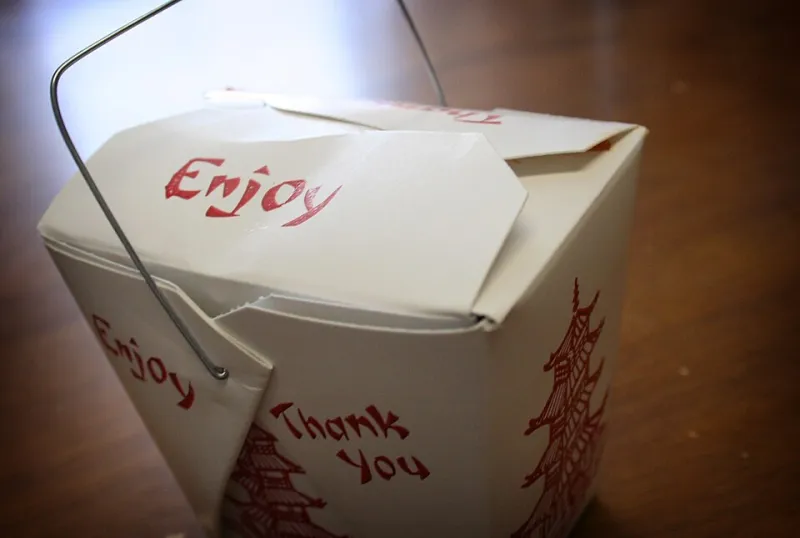
Photo: Ginny from USA, CC BY-SA 2.0, via Wikimedia Commons
A Beijing Kitchen NJ order comes home in a small stack of containers, and most people treat them all the same way: open, eat, maybe microwave, toss. That’s fine on a busy weeknight. But if you order takeout regularly — and in New Jersey, many of us do — it’s worth knowing which containers are built for a second act and which ones are already doing their best work on the drive home.
This is not a sermon about saving the planet. It’s a practical audit from the perspective of someone who has stood at the counter, watched the bag get packed, and then unpacked it twenty minutes later. The goal is simple: better reheating, fewer leaks, and less waste without extra effort.
The bag, unpacked
A typical order might include a quart container of soup or braise, a rectangular entree container, a clamshell for fried or dry dishes, a small round container for rice, sauce cups, and maybe a paper sleeve for something crisp. They are not interchangeable. The material and shape tell you what the kitchen expects you to do with the food.
Start by separating hot from cold and wet from crisp. Cold dishes should go straight to the fridge if you’re not eating them immediately. Hot braises can stay in their quart containers. Fried items need venting, not sealing. Sauces should be kept upright and separate until serving.
The quart deli container
This is the workhorse of Chinese takeout. It handles soups, braises, stews, and saucy noodles. The lid is usually tight enough for a car ride but not tight enough to trust sideways in a tote bag. At home, the quart container is also the best reheating vessel — as long as you loosen the lid or crack it open so steam can escape.
Do not microwave a quart container with the lid clamped down. The pressure builds, the lid pops, and you get sauce on the ceiling. If the container is the thin clear plastic kind, check whether it’s marked microwave-safe. If it isn’t, transfer the food to a bowl. The braise will reheat better on the stovetop anyway, with a splash of water and a low flame.
The rectangular entree container
These are the containers that hold stir-fries, dry pot, and anything with a little sauce and a lot of components. They’re usually fine in the microwave, but the corners are where food cools fastest and reheats unevenly. Spread the contents out before reheating, or transfer to a skillet if you want to bring back any texture.
This is also the container most likely to leak. If you’re driving home with a sauce-heavy dish, put it in a bag with a flat bottom and keep it level. At home, set it on a plate before opening. A little precaution saves a lot of counter wiping.
Clamshells, foil, and paper
Clamshells are common for fried rice, noodles, and crisp items. They are not great for reheating. The plastic can warp, and the food steams itself into softness. If you have leftover fried rice, transfer it to a skillet or a microwave-safe bowl. If you have leftover fried chicken or crispy strips, reheat them in an oven or air fryer, not a microwave. The clamshell is a transport vessel, not a serving dish.
Foil containers are excellent for braises and anything you want to reheat in the oven. Just don’t put foil in the microwave. Paper sleeves and wrappers are for eating now. They don’t reheat well, and they don’t keep anything fresh.
Sauce cups and crunchy bits
Sauce cups are the most reusable thing in the bag. Rinse them, let them dry, and use them for packed lunches, dipping, or storing leftover sauce. The crunchy bits — fried garlic, chili crisp, scallion garnish — should be kept separate until serving. If they come already mixed in, eat those dishes first. They will not improve overnight.
A five-minute unpack routine
When you get home, do this before you sit down: put cold dishes in the fridge, vent hot containers, keep sauces upright, and move anything crisp to a plate. If you know you won’t finish a dish, transfer it to a storage container now rather than after dinner. Food that cools in a wide container reheats more evenly than food that sits in a deep takeout quart.
Recycling rules vary by Jersey municipality, so check your local guidelines rather than guessing. Rinse what you can. Reuse the sturdy quart containers for leftovers or pantry storage. The flimsy clamshells are usually a one-time item. None of this needs to be a project. A few small habits make the next takeout night easier and the food taste better on day two.