Serve It Like Supper: A Plating Plan for Beijing Kitchen NJ Takeout Night
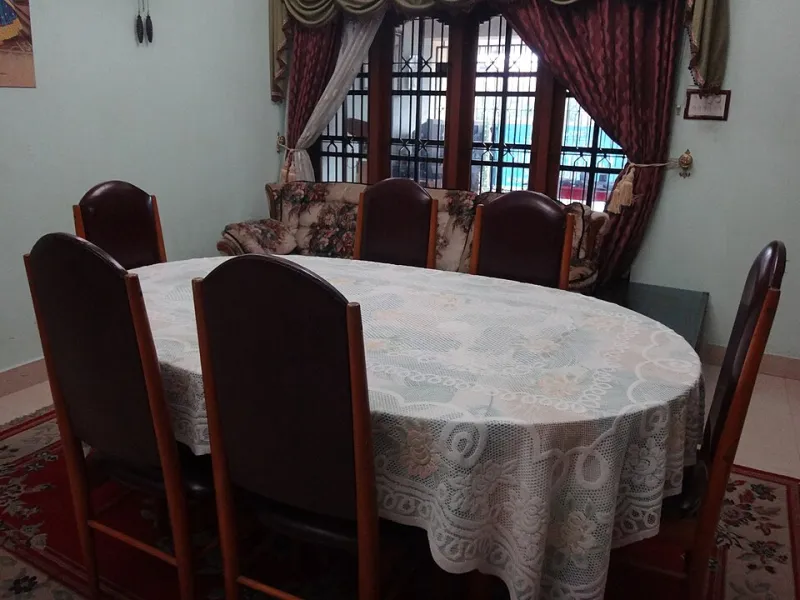
Photo: Gausanchennai, CC BY-SA 4.0, via Wikimedia Commons
Takeout has a bad habit of looking like an emergency. The bags land on the counter, the lids come off, and suddenly dinner is a cluster of foil corners and plastic tubs pretending to be a meal. That is fine on a chaotic Tuesday. It is not the only option. At Beijing Kitchen NJ, the food is built for regional Chinese comfort — the kind of cooking that deserves a plate, a warm bowl, and about eight minutes of actual intention.
This is not a tablescaping project. No one needs folded napkins or a centerpiece. The goal is simpler: move the food out of transport mode and into dinner mode so the crisp dishes keep their edge, the sauces go where you want them, and the whole table feels less like a pit stop and more like supper.
Start With the Vessel, Not the Food
The first mistake is opening every container at once and letting the steam go wherever it wants. The second is eating straight from the tub. Both are survivable, but neither helps the food.
Start by choosing what each dish will land in. Wide, shallow bowls are the workhorse for noodles, stir-fries, and anything with a little sauce that needs room to breathe. Soup goes in a deeper bowl. Dumplings and cold dishes are happier on a plate or a low platter. Crispy items need the widest, flattest surface you have, because trapped steam is the enemy of crunch.
Do not microwave in the takeout plastic. Warm plates and bowls with hot tap water for a minute, dry them, and use those. It sounds fussy; it takes less time than finding a parking spot on a busy Jersey strip. Warm vessels keep food warmer longer, and they make even a simple container meal read as deliberate.
The Cold Dish Goes First for a Reason
If there is a cold dish in the order — cucumber salad, a chilled vegetable, anything sharp and refreshing — put it on the table first. Not because it is an appetizer in the formal sense, but because cold food should be cold, and hot food should be hot. The middle ground is where takeout gets sad.
Set out the cold dish while the rest of the food is still lidded. Then open the hot containers, plate them quickly, and bring them over. This small sequence does more for the meal than any garnish. It also gives people something to nibble on while the last dish gets sorted, which is a polite way of saying it prevents the hangry hover.
Keep Crisp Things Crisp
Crispy food and closed containers are not friends. If your Beijing Kitchen NJ order includes something fried, layered, or crackly, give it air. Open the lid, let the steam escape, and transfer it to a plate or shallow bowl as soon as you can. If it has sauce on the side, keep it on the side until the moment someone eats it. A drizzle at the table is better than a swim in the container.
If the crisp item has gone a little soft on the ride home, a short pass in a hot oven or air fryer can bring it back. Keep it brief. You are drying the surface, not cooking the food again. For anything delicate, skip the rescue mission and accept that takeout crunch has a lifespan. The point is to protect what is left.
Warm Bowls, Warm Rice, Better Dinner
Rice is not a side note. It is the foundation of a lot of regional Chinese meals, and it should be treated that way. Fluff it with a fork or spoon, put it in a warm bowl, and bring it to the table before the saucy dishes arrive. That way the rice is ready to catch what lands on it.
Noodles get the same treatment. A quick warm-water rinse of the bowl, a toss to loosen the noodles, and a plate that gives them room to be twirled is all they need. Do not stack every dish on top of the rice at once unless you are deliberately making a bowl. Let people build their own plates. It is more fun, and it keeps textures from collapsing into one soft mass.
Sauce Is a Condiment, Not a Flood
A lot of takeout goes wrong because sauce is treated as a default setting rather than a choice. If the restaurant sends sauce on the side, use it that way. Pour a little into small bowls for dipping, or drizzle it over the plate at the table. Let people decide how much they want.
This matters most with crisp dishes, dumplings, and anything that already has a glossy coat. You do not need to drown the food to get flavor. A small bowl of sauce on the table looks intentional, keeps the plate from getting soupy, and lets the person who likes extra heat go to town without making everyone else pay for it.
A Simple Jersey Table
You do not need a full dining room setup. A stack of plates, a few bowls, napkins, and a pitcher of water is enough. If you want to be fancy, put out a couple of small spoons for sharing and a plate for bones or wrappers. That is the whole production.
The table should make the food easy to reach. Push the containers to the side or leave them off the table entirely. A crowded table is not a generous table; it is a game of elbow Tetris. Give the dishes some space, and dinner settles down.
The Two-Plate Rule
One plate for food, one small plate for bones, shells, or the things you do not want mingling with your rice. This is especially useful with whole fish, wings, or anything that arrives with a little architecture. It keeps the main plate clean and makes the meal feel less like a scavenger hunt.
It also helps with pacing. Instead of piling everything on one plate and eating in a race, people can take a little, eat, and go back. Takeout night does not have to be a buffet audition. A second pass is part of the pleasure.
The Point Is Not Perfection
Plating takeout at home is not about pretending you cooked. It is about giving the food a fair chance. Beijing Kitchen NJ takeout is built for neighborhood dinners, weeknight drop-ins, and the kind of low-key meals that happen around a kitchen table in New Jersey. A warm bowl, a wide plate, and a sensible order of operations are enough.
So next time the bags land on the counter, resist the urge to eat standing up. Take eight minutes. Warm the bowls, open the cold dish first, give the crisp things air, and let the sauces sit on the side. The food will taste better, and the table will feel like someone meant it.